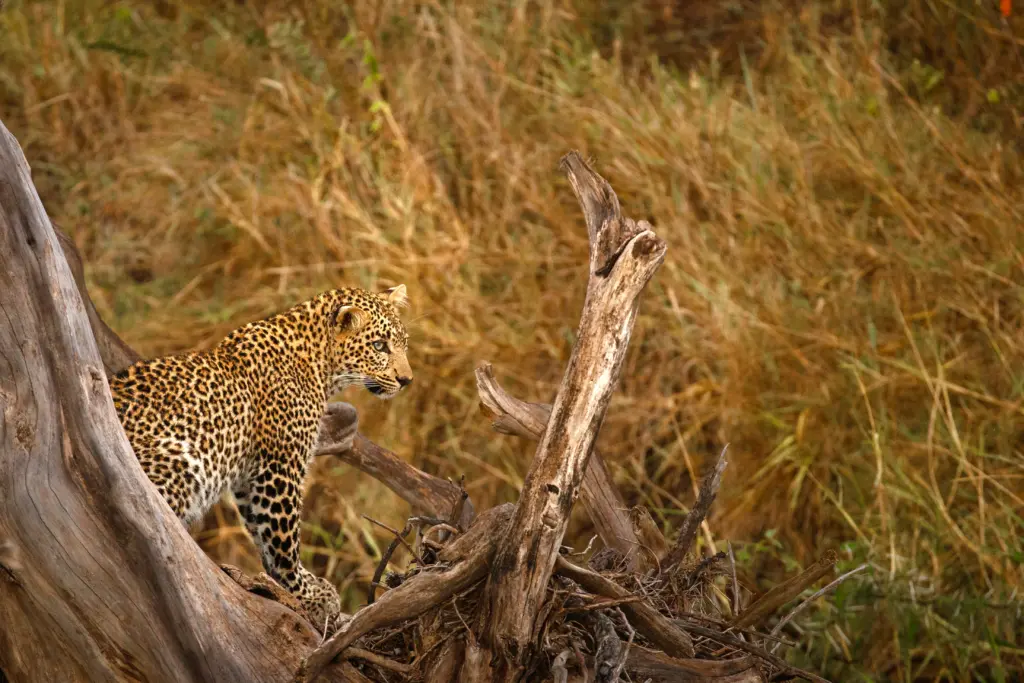
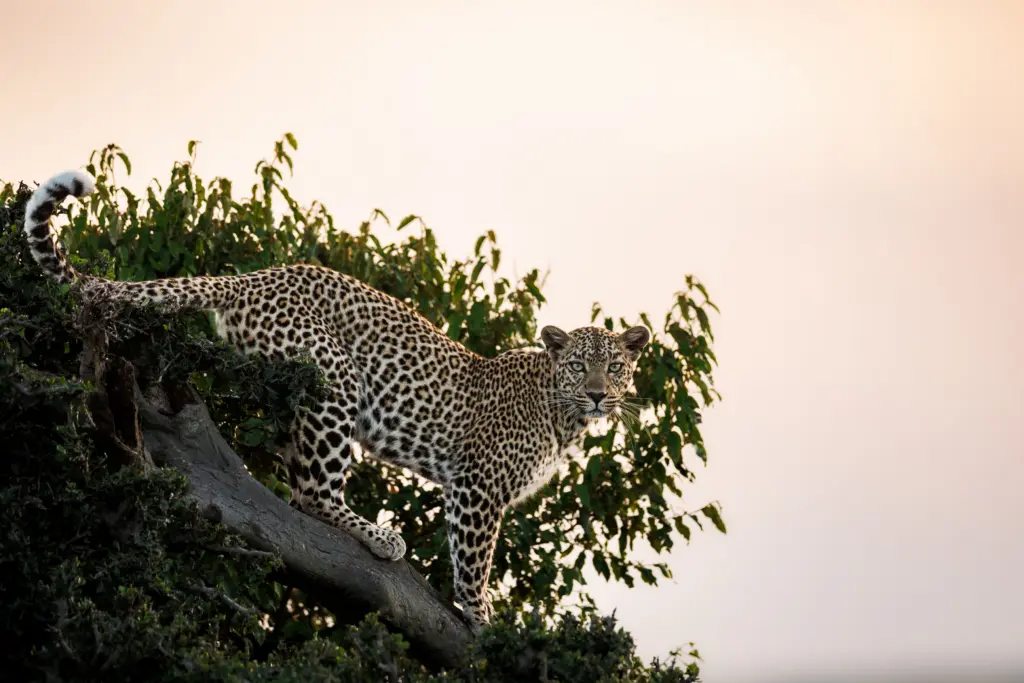
The Story About a Leopard Called Faulu

A few days ago, a video taken near Ishara made our hearts sink.

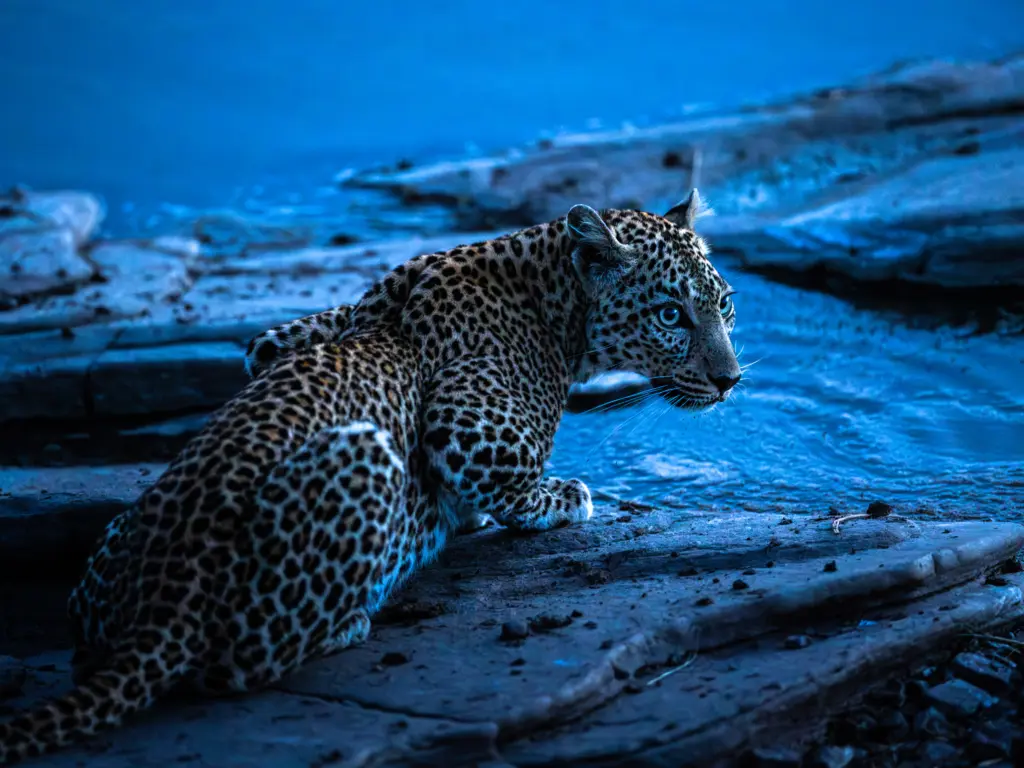
It captured a massive crocodile tossing a leopard through the water like a weightless shadow. The footage was brief with no positive identification possible—yet deep inside, a cold dread set in. We feared the unthinkable, that it could be our beloved Faulu. This was her territory, her kingdom, her home.

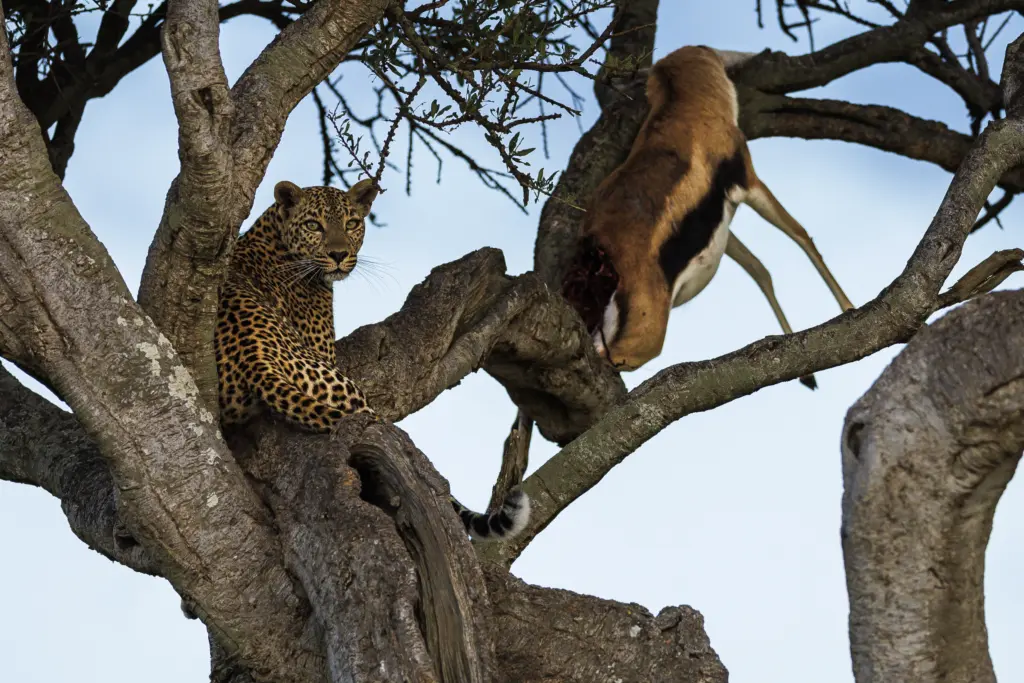
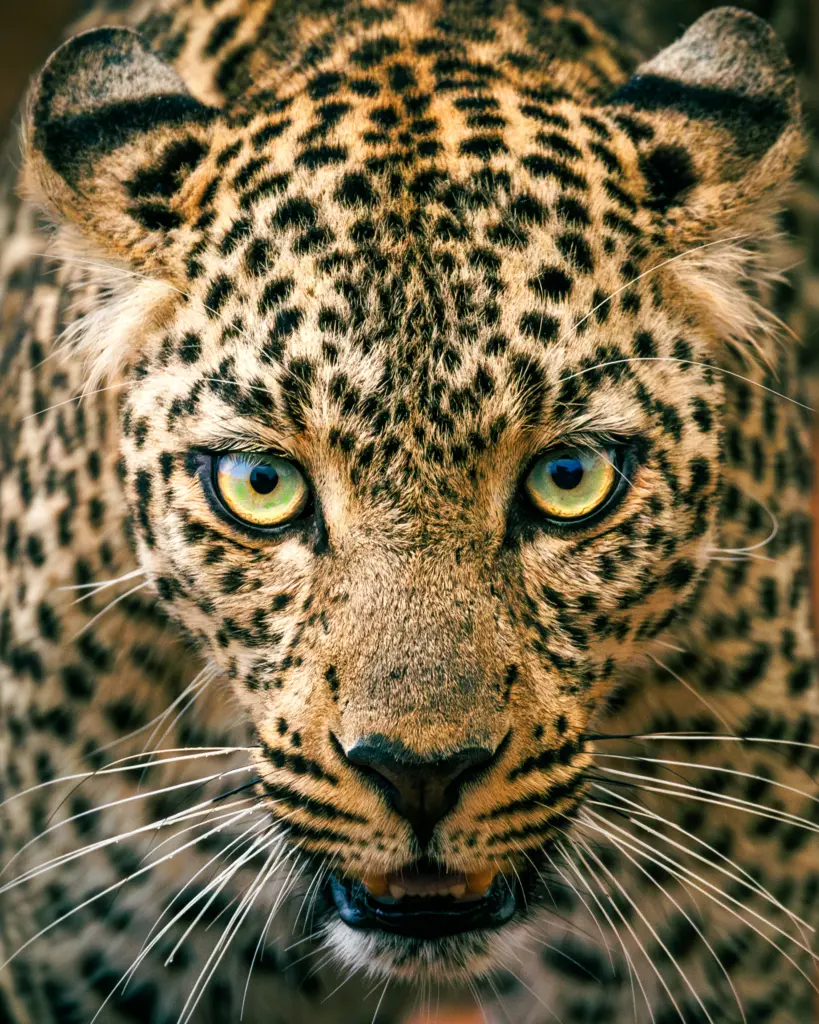
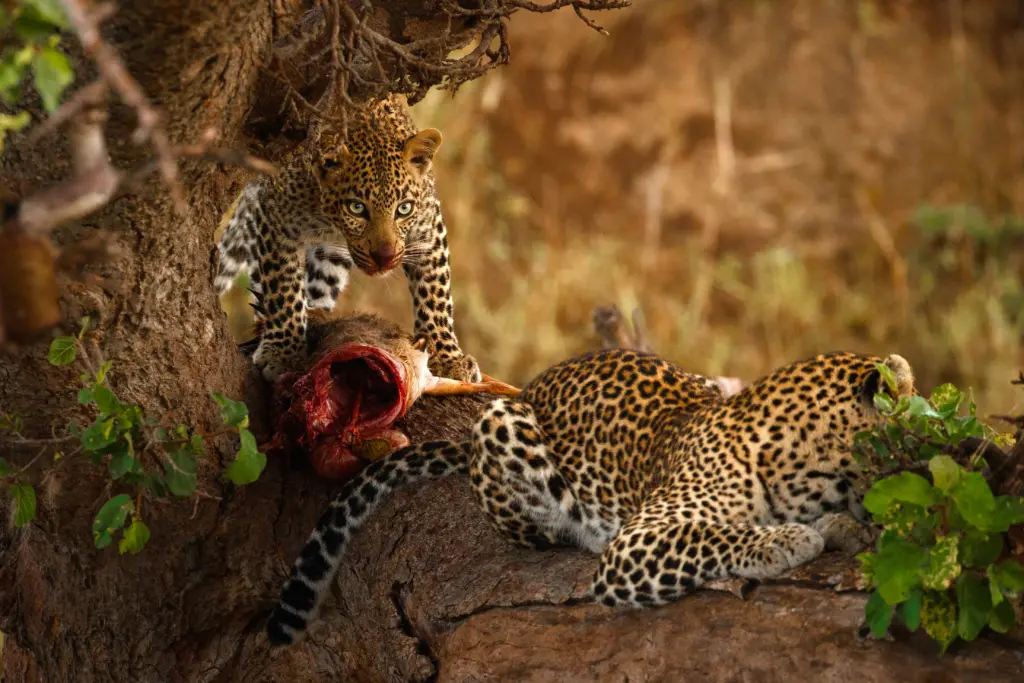
My bond with Faulu began in late 2021, while we were still building Ishara. I had gone on an afternoon game drive with our guide, Pilot, carrying a Canon camera for the very first time. Driving along a quiet stream, we stumbled upon the sublime. There she was, draped over a high branch beside her mother, Fig, and an impala kill. It was my first true encounter with a leopard. Looking through the lens, the world faded away. Her eyes were spellbinding; her spirit, unmistakable. Even as a cub, she carried a defiant, fierce aura. We spent the entire afternoon alone there, watching her hiss at a hyena lurking in the shadows below.
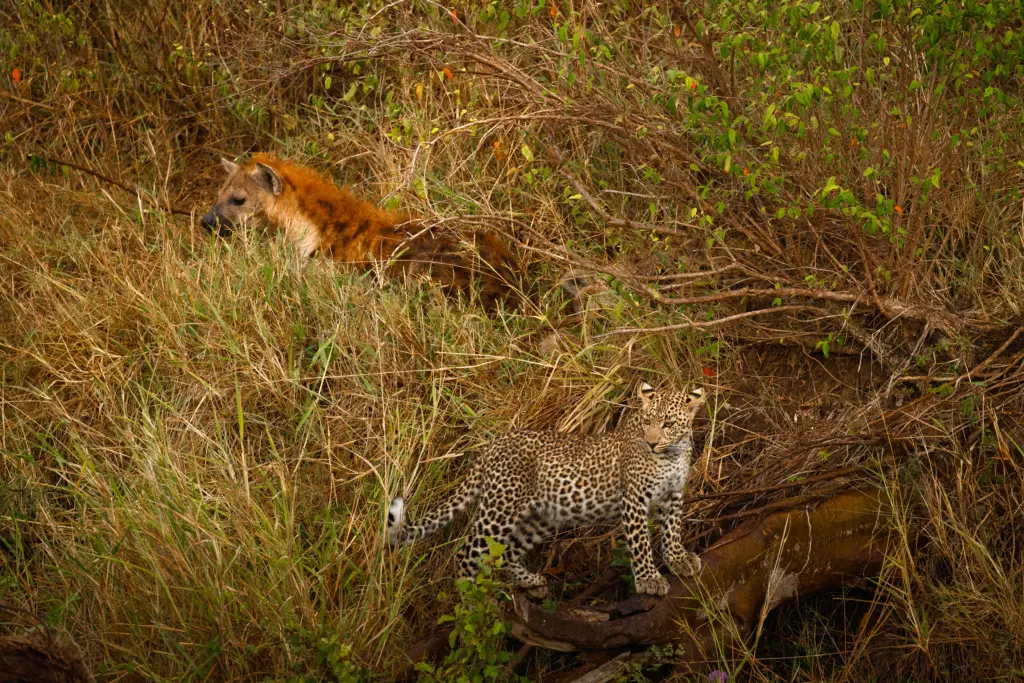
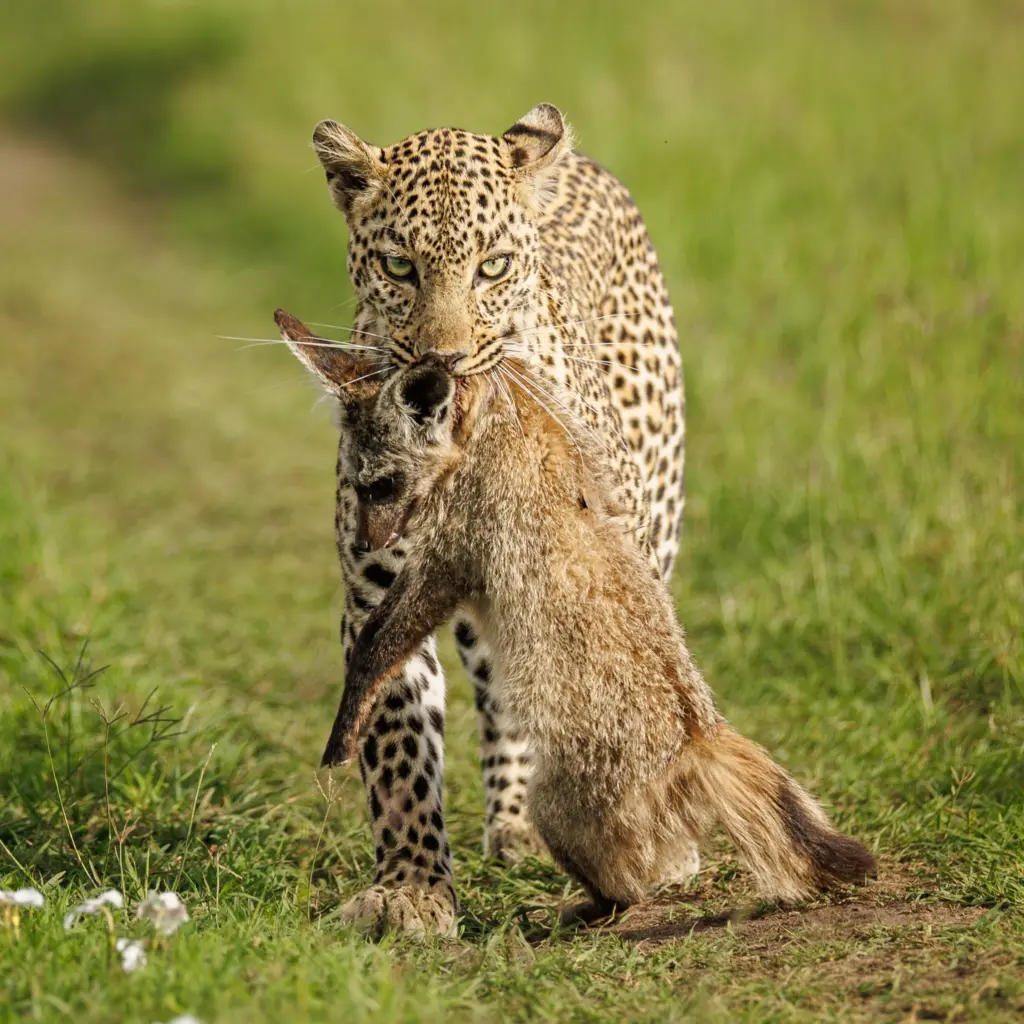
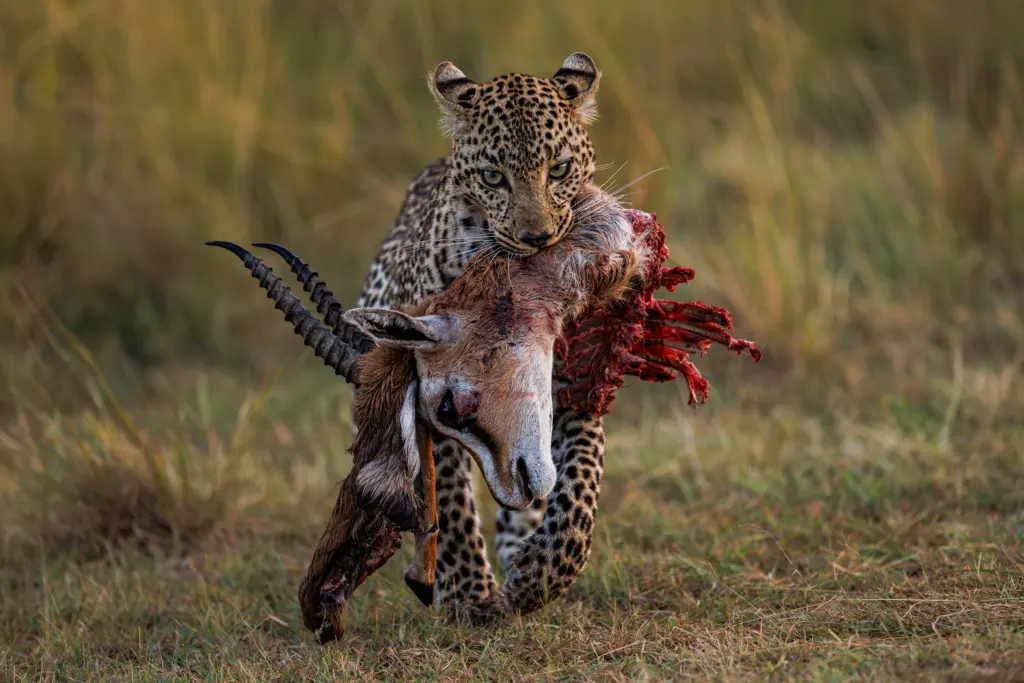
Just months later, tragedy struck: Fig was killed by lions. We held our breath for Faulu, knowing she was too young to be on her own. Yet she was a survivor. Small of frame but carrying the heart of a warrior, she endured on a diet of hares, foxes, and sheer resolve.

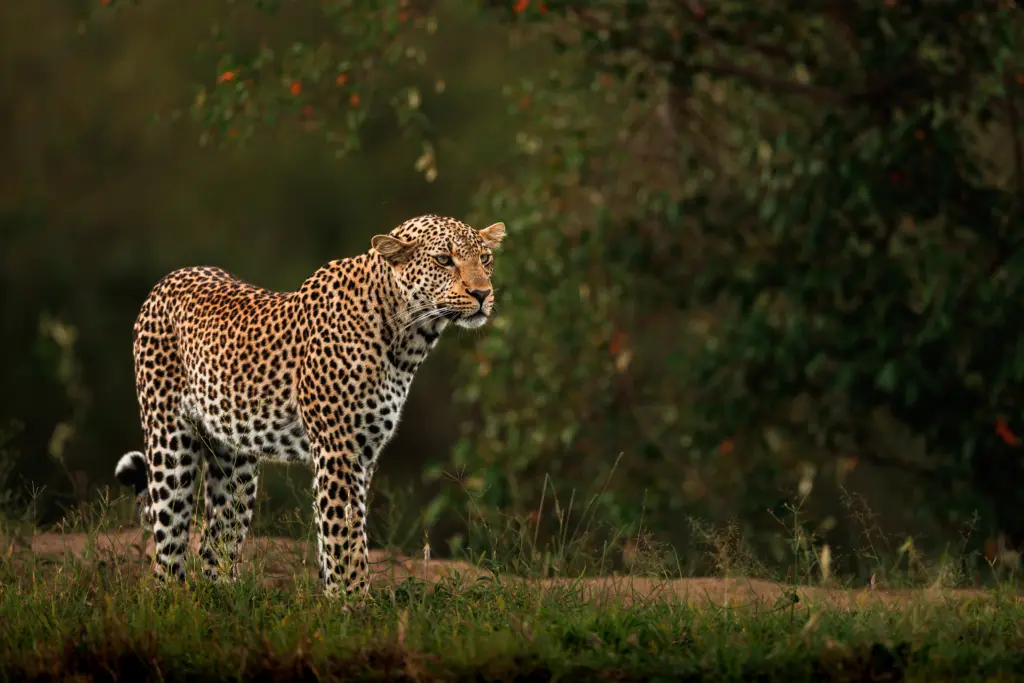
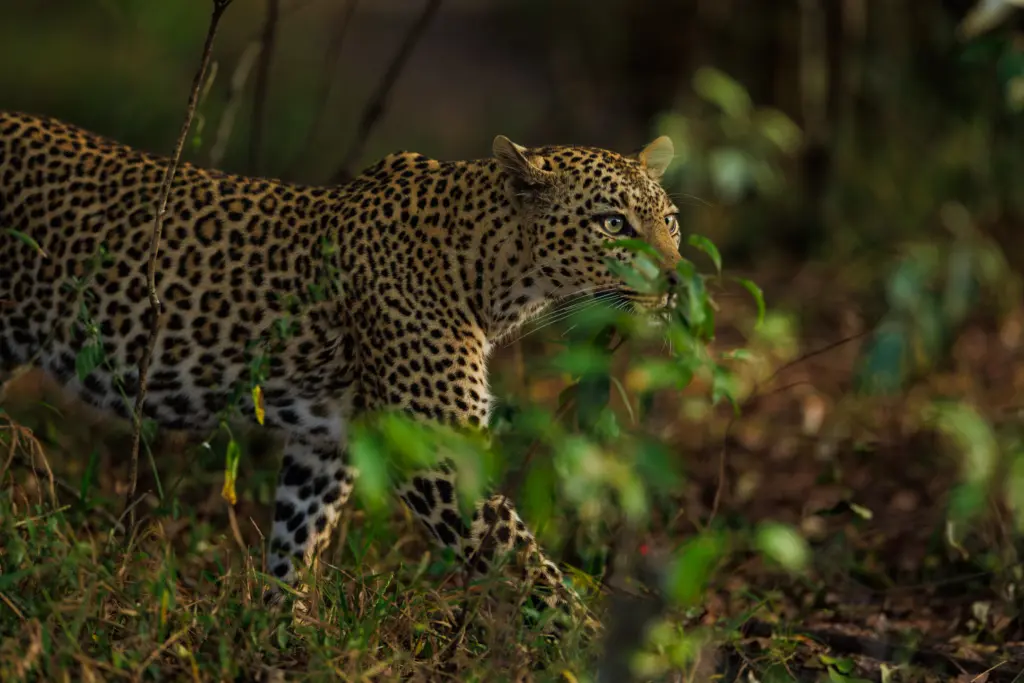
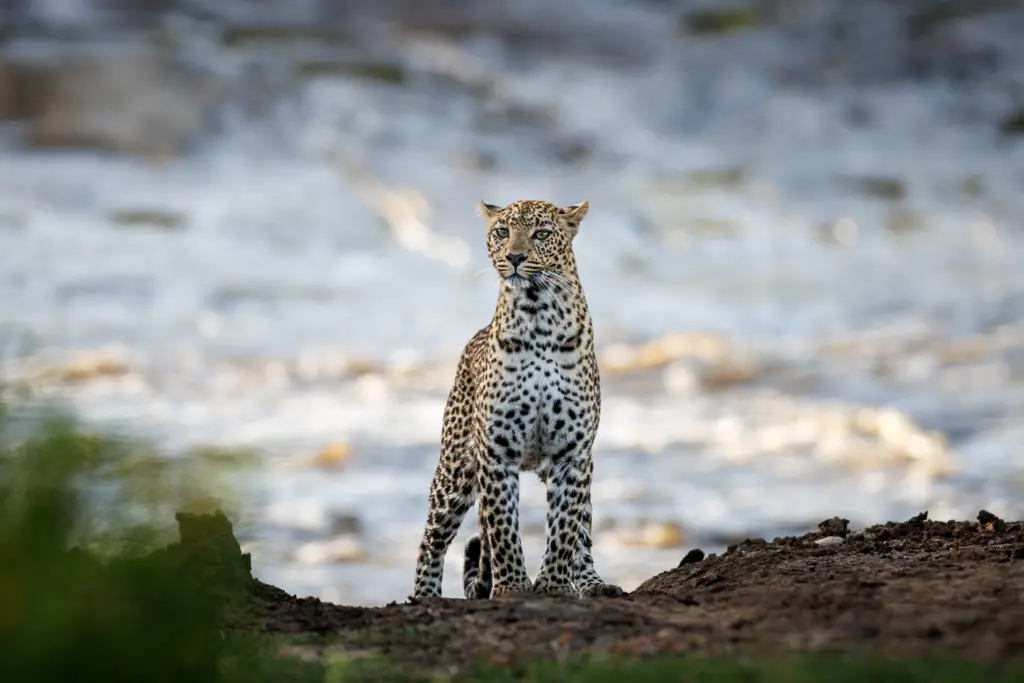
Over the years, every glimpse of her etched itself into our souls. We watched her grow stronger, bolder, more majestic. She became our muse, our talisman, our princess. Ishara was her sanctuary, and her haunting calls frequently echoed across the camp at night.

When a handsome young male named Olopono arrived in the Reserve, we couldn’t help but dream. “What if they were to meet?” we wrote in a post. Over a year later, they did. We watched their story unfold—a strange, beautiful miracle seemingly manifested by a corporate marketer turned unabashed leopard matchmaker. We held our breath, hoping to see the next generation carry forward her lineage, but no cubs ever appeared.

One quiet evening, when the camp was still, she padded softly through the dining room as our mixologist, Hellen, watched in awe. She walked in as if she knew this place was built on a foundation of devotion for her. She crossed the pathway into reception, leaped gently onto the couch, and rested. She was Ishara royalty, and that was her throne.

When I wrote The Curious Boy Who Followed the Signs, the leopard in the story was always Faulu. She represented pure, transcendent love. In The Curious Boy Who Followed His Heart, she returned—a steady, reassuring presence offering lessons on belief in yourself and resilience.

Now, I replay every memory. The quiet twilights where time stopped, and it was just us sitting in her presence. There was a silent understanding between us, a thread of connection that grief cannot erase.

The only way to disprove the tragedy is to see her emerge from the brush once more. But the days pass, and the bush remains still. Others before her vanished without a trace—Kaboso, Bahati, Roho. We comforted ourselves with gentle lies: “Perhaps they wandered off into the conservancies.”

But this time, the quiet feels different.

Reading the outpouring of love online from photographers, guests, and wildlife enthusiasts across the world has been both comforting and devastating. It reminds us that she was never just ours. She was everyone’s Faulu.

“She moves with the grace of a whispered breeze, a being of such ethereal presence that she seems almost a phantom, an apparition conjured from the realms of our deepest yearnings,” I once wrote.

“She is a spectral figure who is as elusive as she is enchanting. In her absence, we are left in a state of longing, pondering the mystery of her essence, and in her presence, we are utterly transformed. She is both nowhere and everywhere, a paradox that captivates the imagination and stirs the heart, reminding us of the beauty that lies in the transient, the untouchable, and the ineffable essence of existence itself.”

Photo credits: Japheth Supeyo, Joseph Njenga, Altaf Jiwa, Ian Wesanza, Eric Averdung, Imara Njeri

Share the story