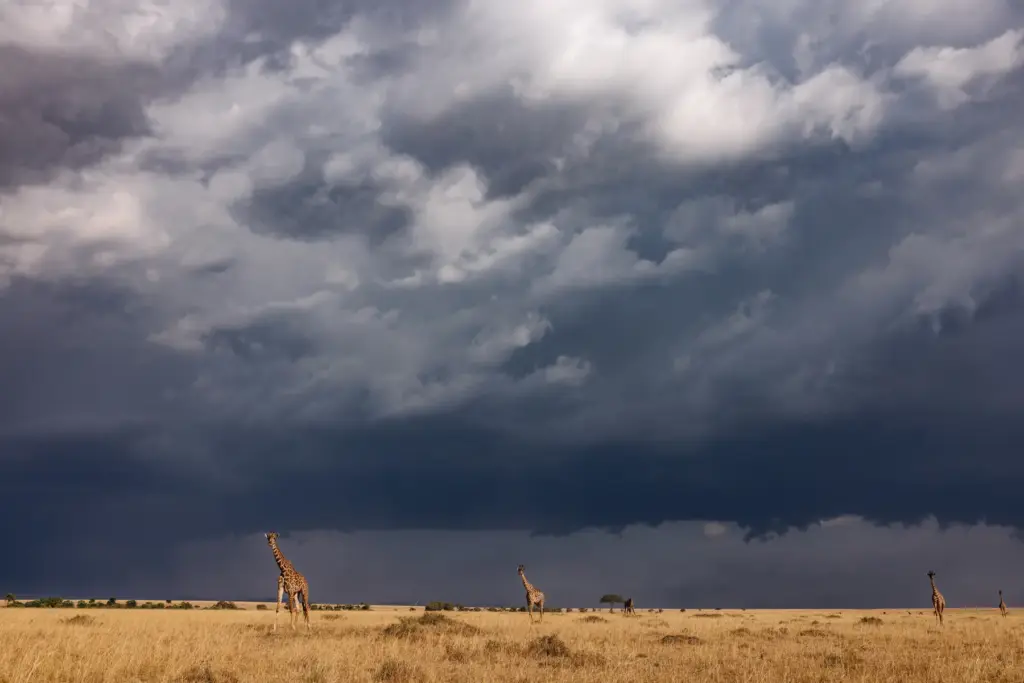
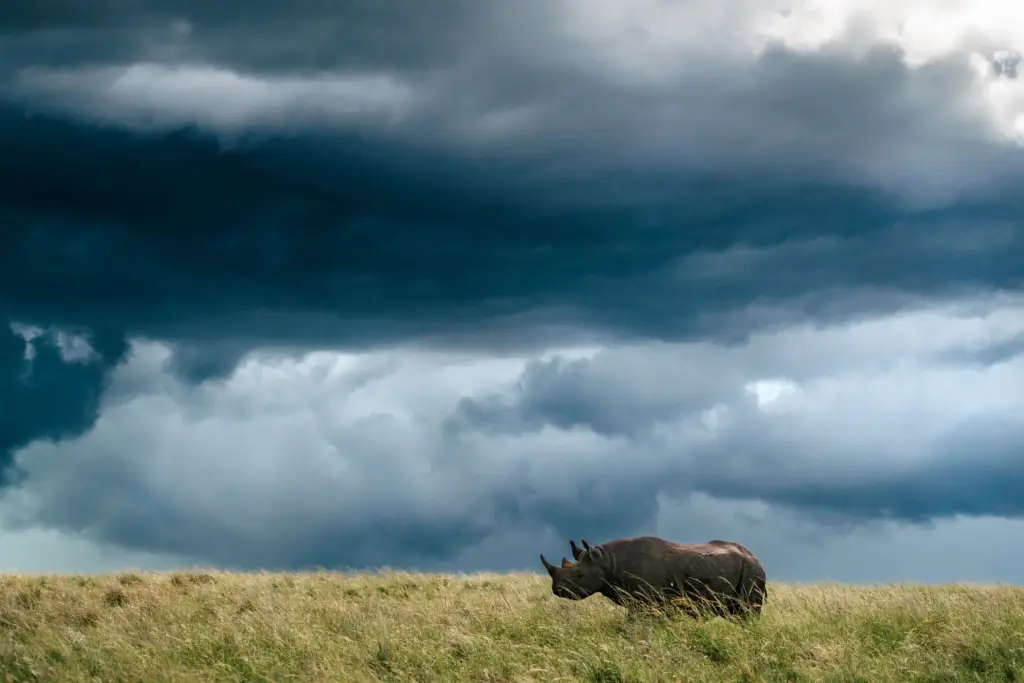
If there is a sight that stirs the soul more than any other, it is the arrival of the great clouds over the savanna. They first manifest as obsidian giants on the skyline, massive nimbus pillars that command the air with a duality of spirit—part bright promise, part heavy, brooding tension. Wildlife, particularly birds and the young, sense this atmospheric shift long before the first drop falls. At the slightest dip in air pressure, there is a sudden, skittish energy—a burst of movement that feels like celebratory anticipation. The land itself seems to hold its breath as it readies for a renewal that will ripple through the food chain.
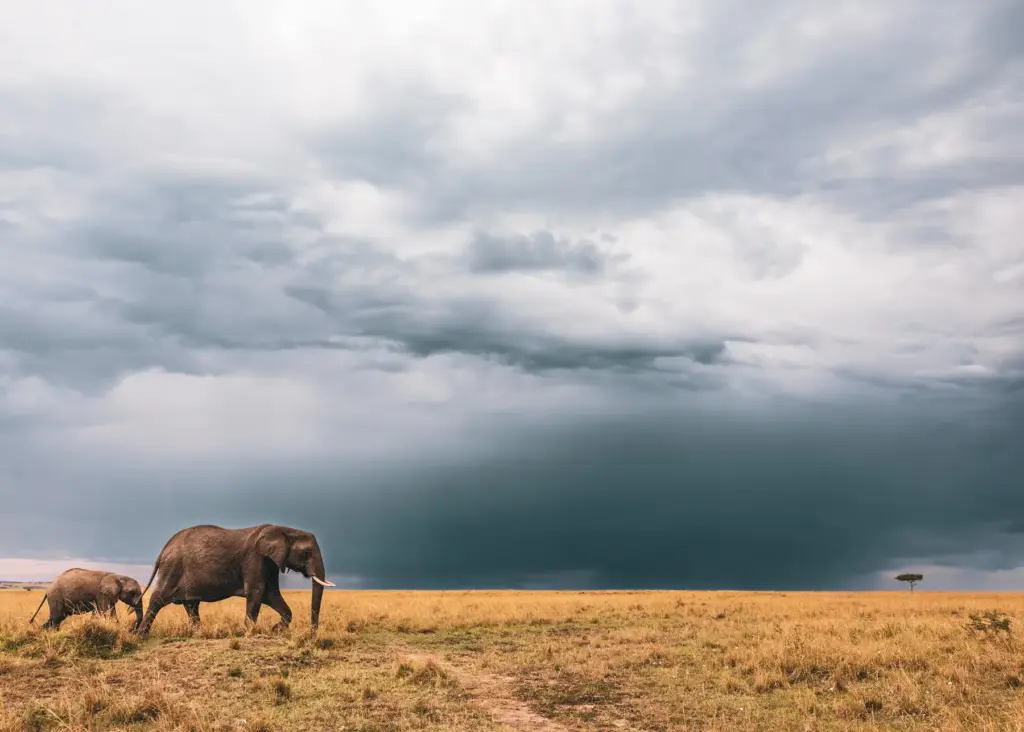
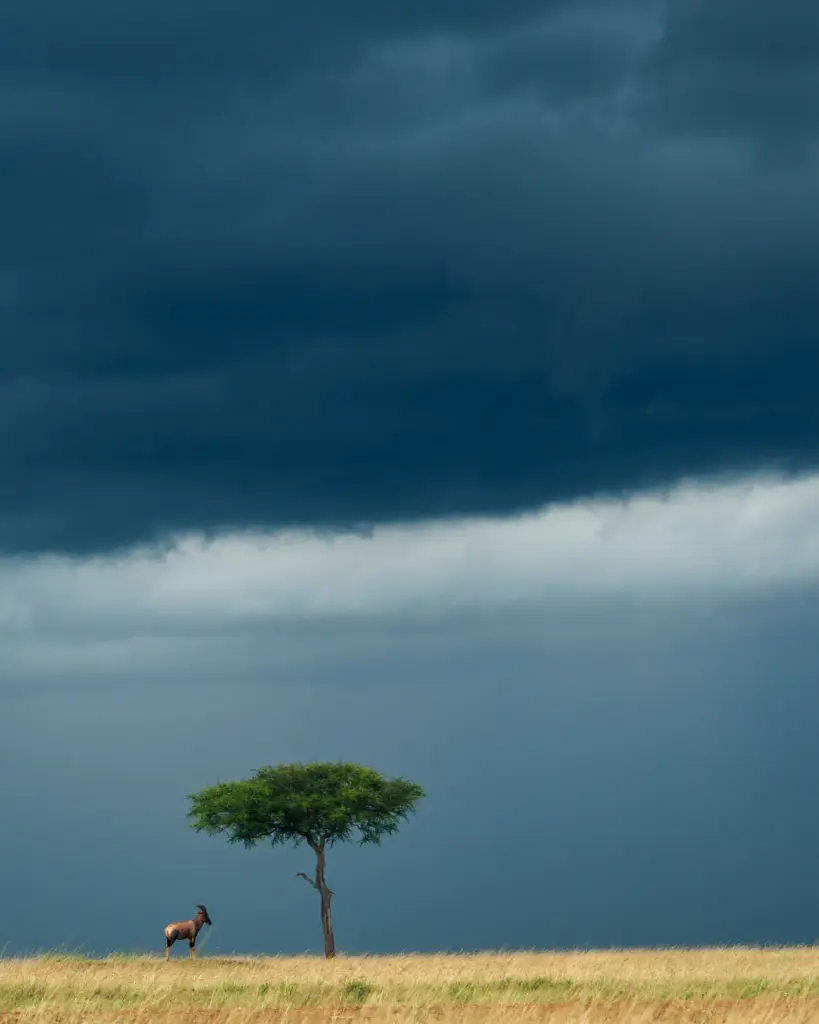
In the Mara, these storms are grand, primal theatre. Deep charcoal skies collide with the warm earth tones of the plains, creating a contrast that is both powerful and intimate. Curtains of rain sweep across the golden grass, lightning sketches the silhouettes of lone balanite trees, and thunder rolls across the horizon like the beat of distant drums. For those watching, it is a moment where nature is at its most expressive—as if the sky is finally telling its oldest story.
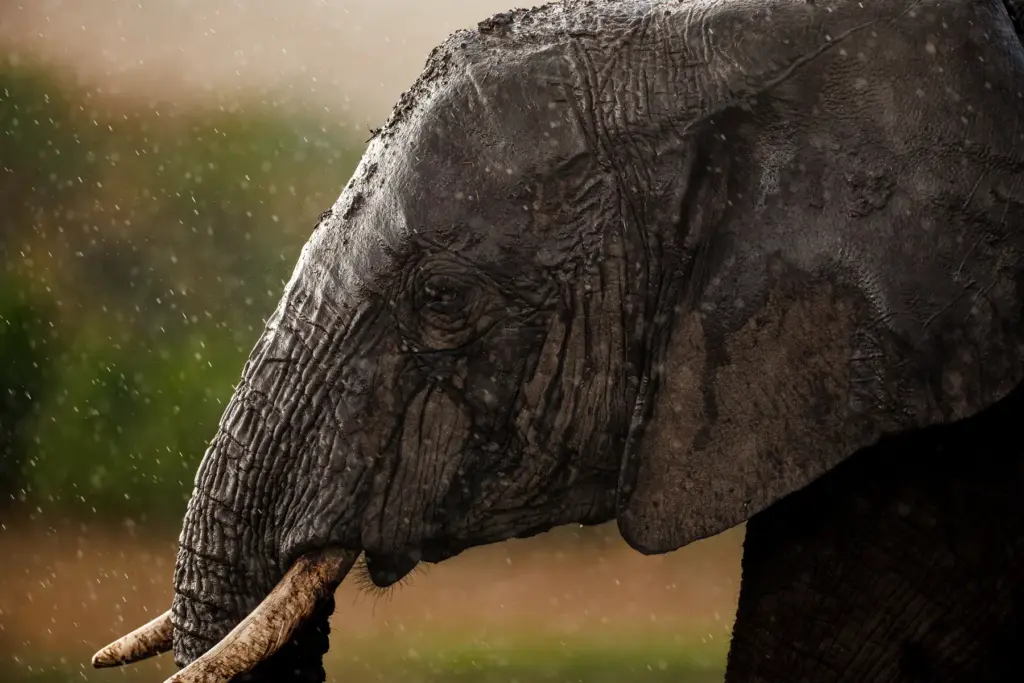
The psychological impact on the wild is just as profound. For herbivores, the scent of the coming rain ignites a sense of relief and urgency. As the water breathes life back into the parched earth, the savanna is transformed into a lush, glistening carpet. Yet for prey, this is a season where nourishment and vulnerability are inseparable; the grass grows tall and green, but it hides the movement of those who hunt.
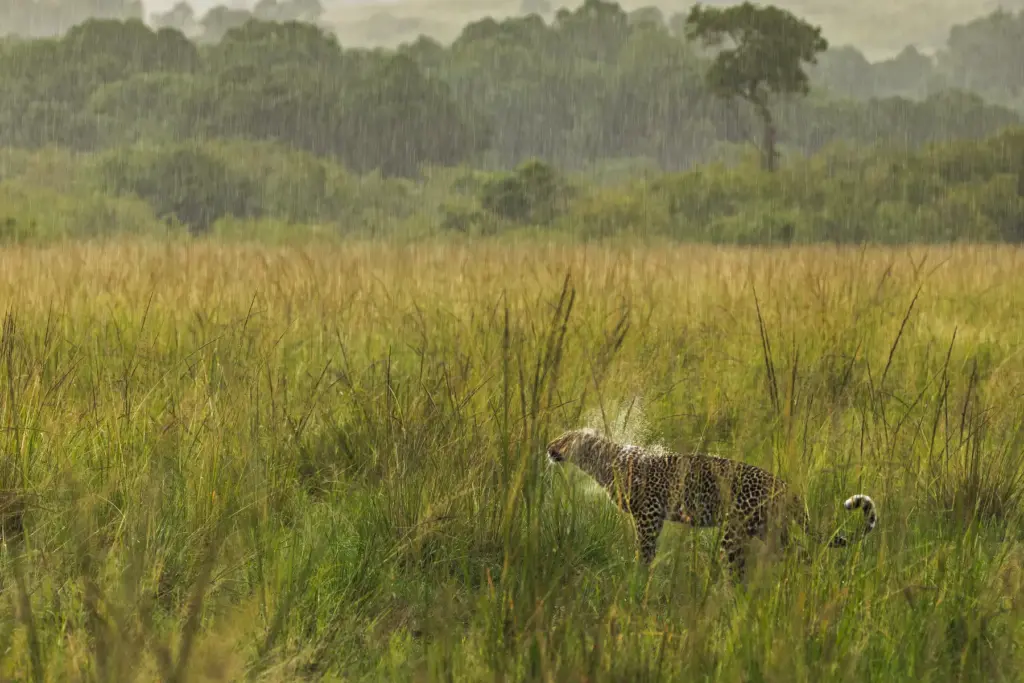
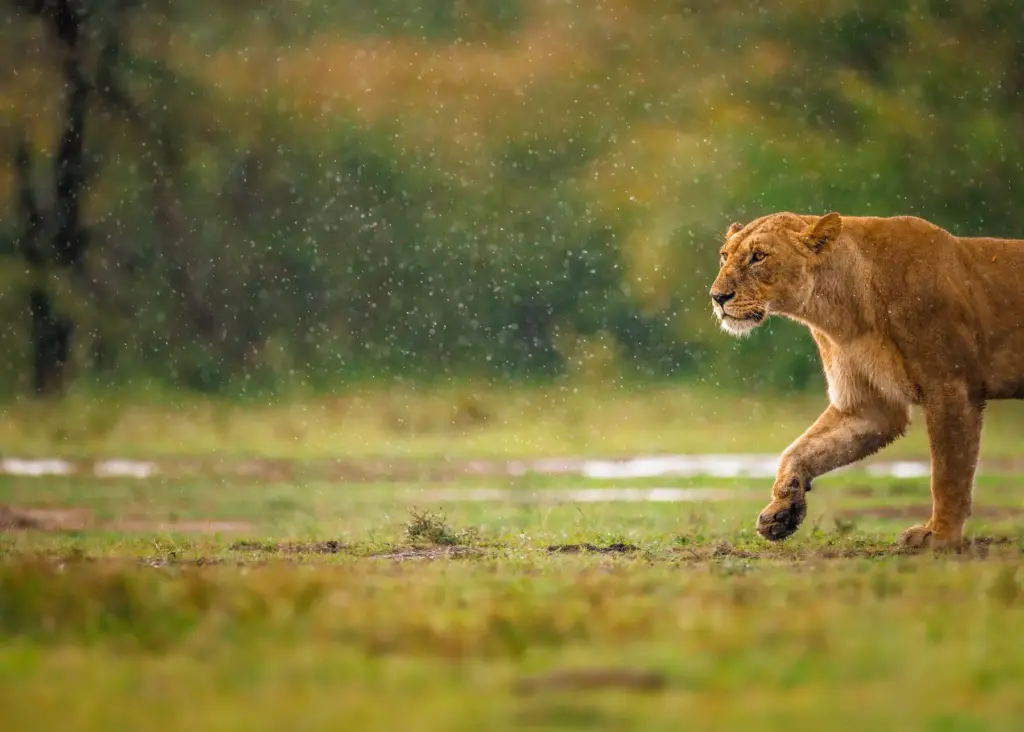
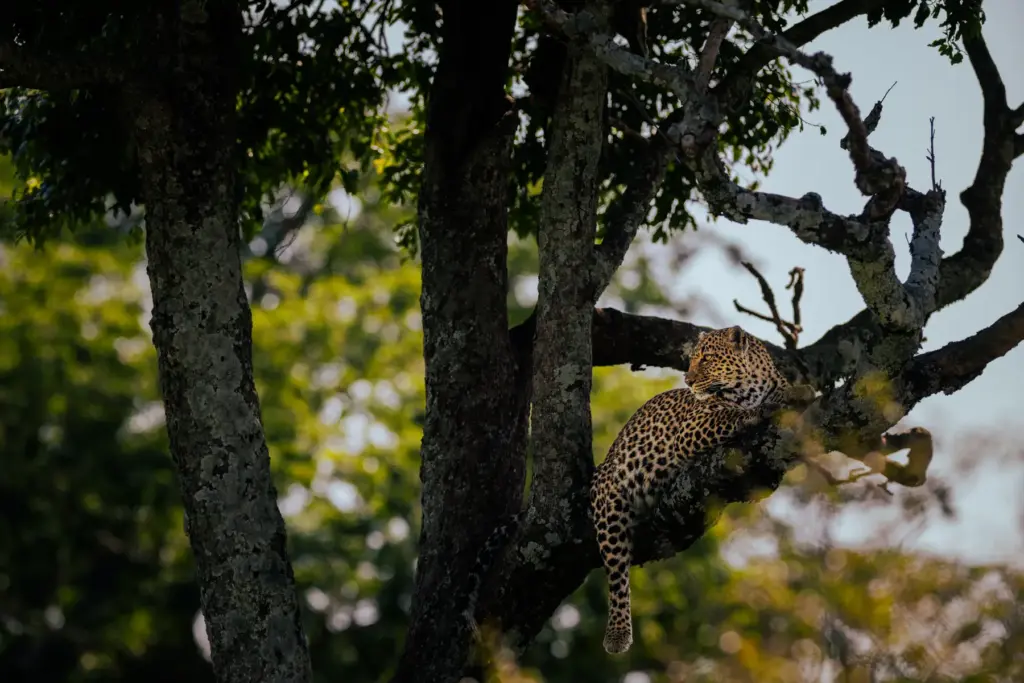
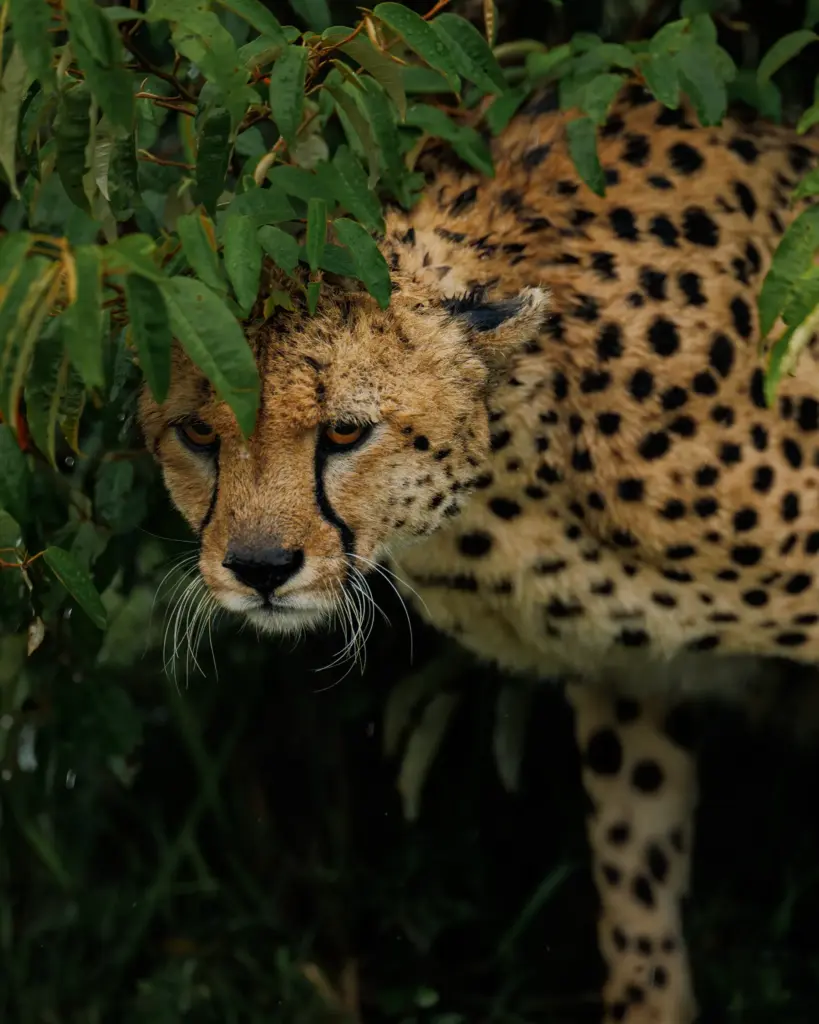
The big cats—lions, cheetahs, and leopards—embody a fascinating contradiction during these tempests. They endure the deluge with stoic resilience, their coats soaked through and their eyes fixed with steadfast patience.
Despite their dominance, they remain creatures that largely disdain the water. You will often find them huddled under a lone tree or tucked into the thickest brush, not to flee the storm, but to tolerate its weight on their own terms. For them, hunting becomes a measured reluctance; the sodden ground muffles their footfalls but complicates their speed, turning every pursuit into a calculated, slippery risk.
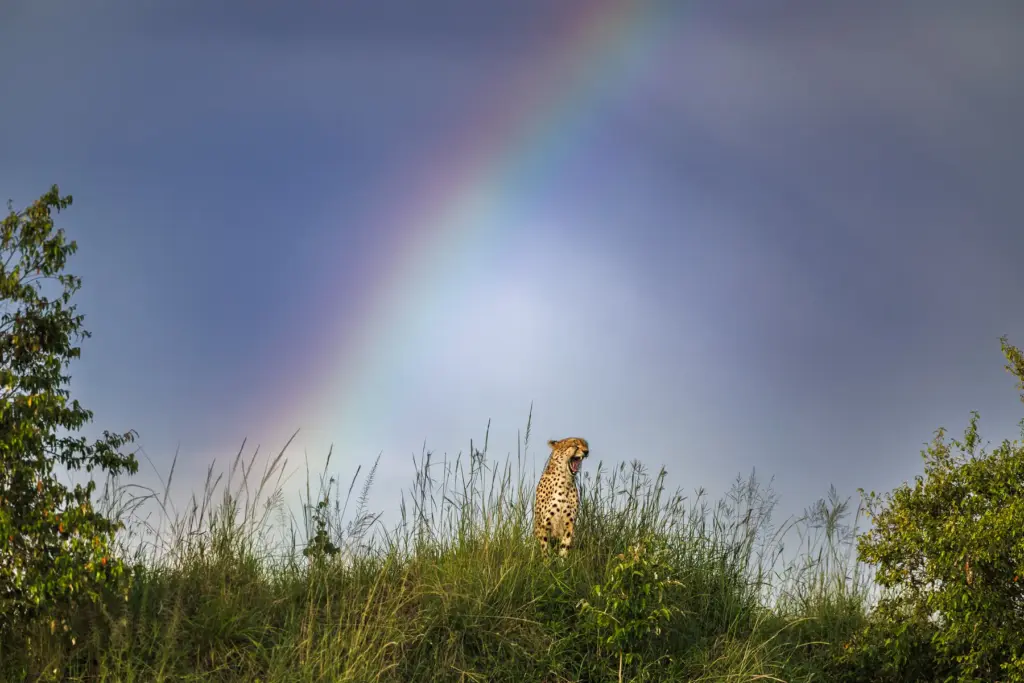
Then, as swiftly as the storm builds, it exhales and passes, leaving behind a world reborn. The aftermath is magical. Rainbows arc across the sky, vivid against the retreating gloom, and every blade of grass catches the returning light until the entire landscape glistens like gemstones. The air is scrubbed clean, cool and charged with a lingering freshness.
These storms are the essential rhythms of the wild. They shape behaviour, dictate movement, and breathe life into an ecosystem that depends on their arrival. In their drama, they remind us that even the most turbulent moments in nature carry within them the promise of renewal—and, if you are patient enough to wait them out, some of the most breathtaking sights the wild has to offer.
Photo credits: Japheth Supeyo, Joseph Njenga, Ian Wesanza, Eric Averdung