Light, Shadow, and the Art of Seeing

We all look at the same wilderness, but none of us see the same world. The truth is, it is not a static canvas sitting out there waiting to be recorded; it is a silent conversation between the landscape and the person standing in it.

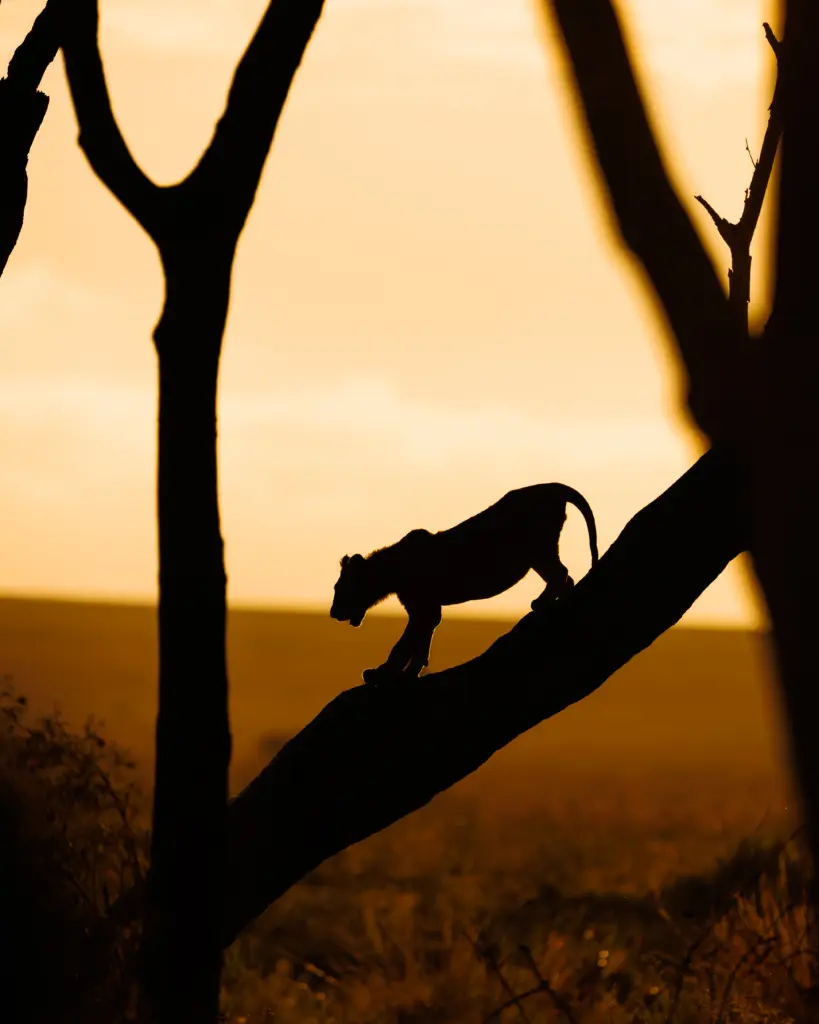
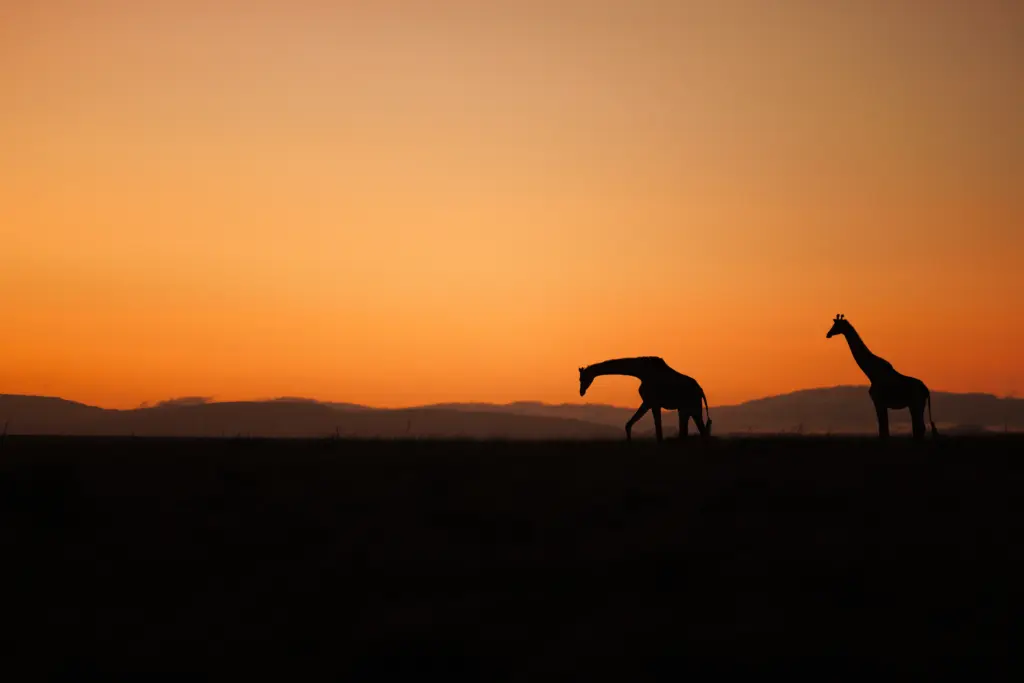
Light lands differently for everyone. It bends around corners, spills over ridgelines, and rests softly upon yellow grass, changing its tone with every step you take. Shadow carves out different shapes depending on where you stand, transforming a familiar outline into something dark, mysterious, and surprisingly gentle. To hold a camera in the wild is to realise that you are not capturing reality as it objectively exists. You are simply stepping into a private dialogue with light.

Technical parameters like focal length, shutter speed, sensor size, and pixel count matter, but it is very easy to forget the soul of the craft. Composition is often taught as geometry: the rule of thirds, leading lines, framing, and balance. But at its heart, composition is an act of quiet subtraction. It is the deliberate, patient decision of what not to include.

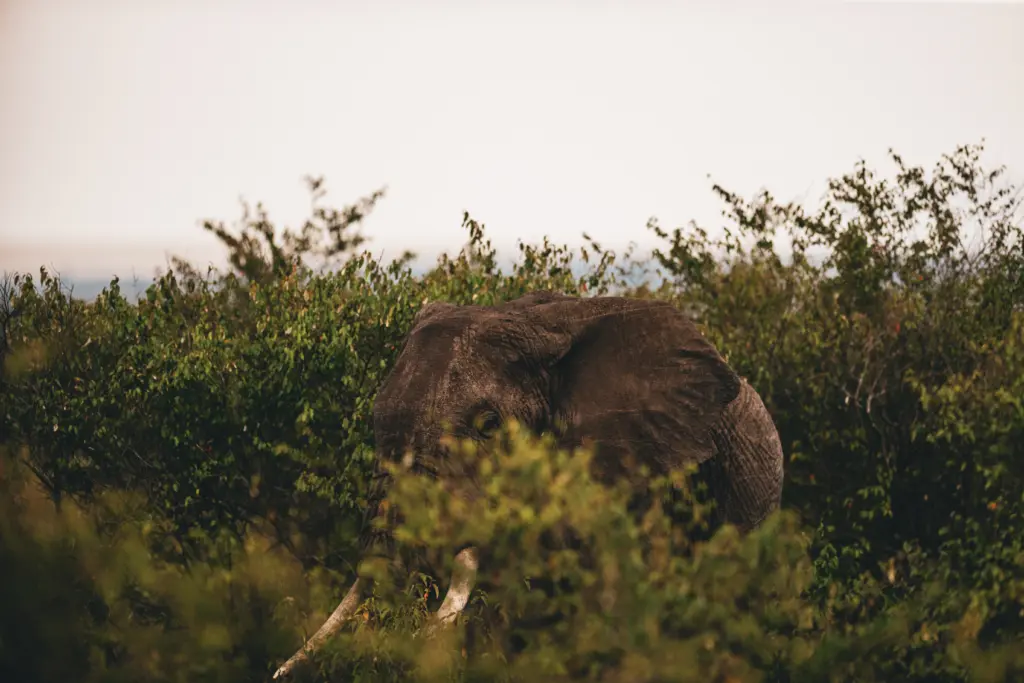
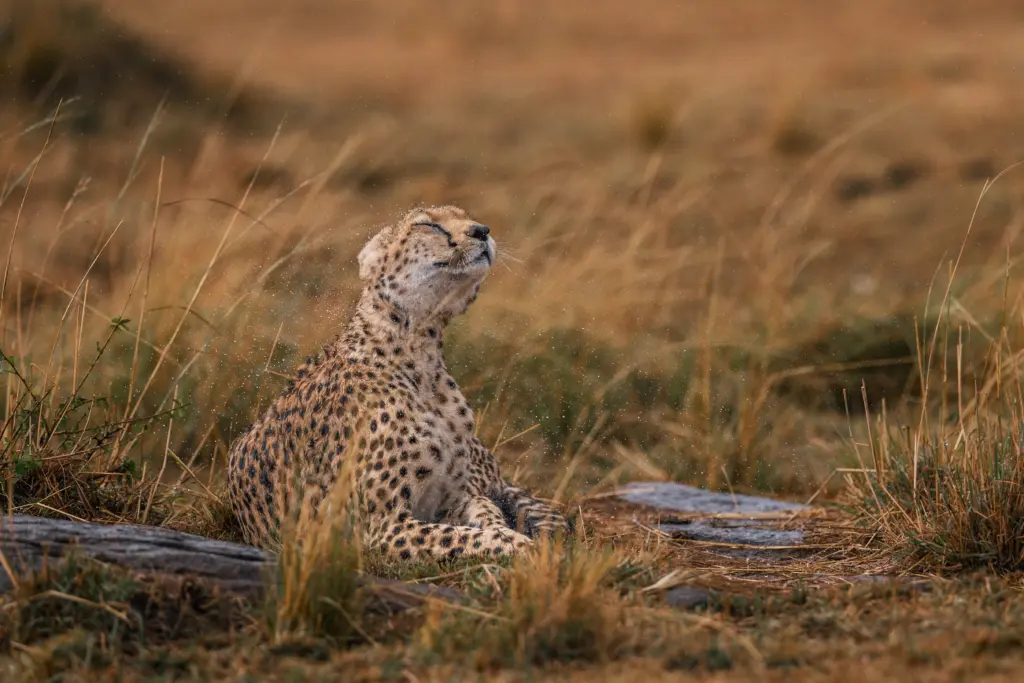
It is paring away the background until the noise of the world fades, leaving behind only what speaks to you: a single glance across the tall grass, a turn of a head in the shifting wind, or a stroke of golden sun catching the curve of an ear. In that subtraction, a small moment becomes a universe of its own.
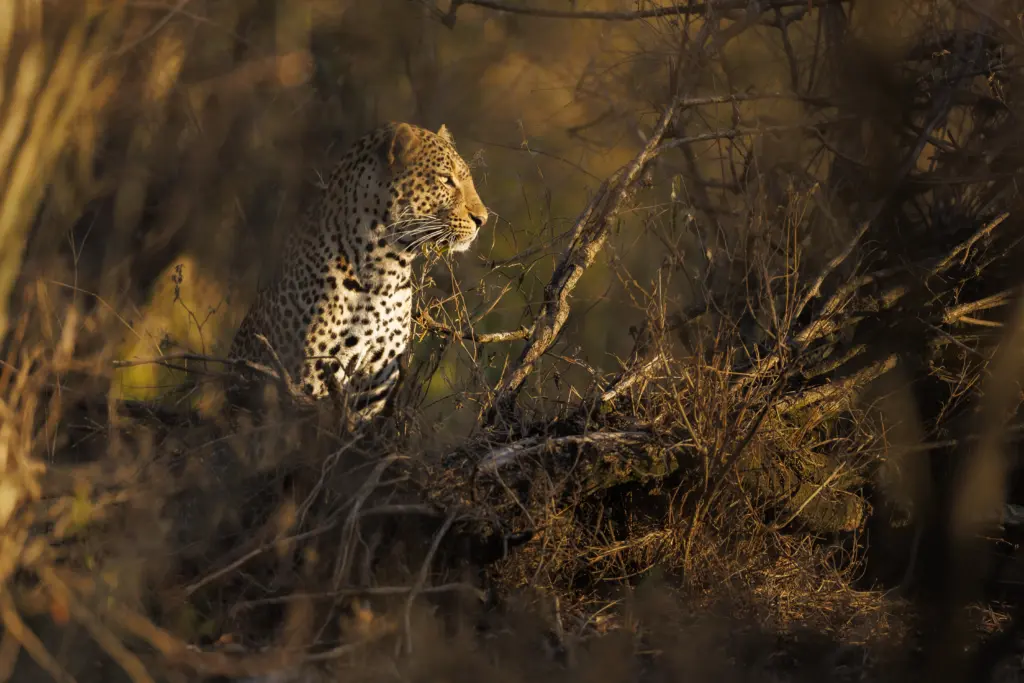
The shutter is just a small door—a mechanical curtain that opens and closes in a fraction of a second. Yet, what passes through it in that ephemeral sliver of time is entirely yours. It captures the patience of waiting, preserves the stillness required to let the wild accept your presence, and reflects the subtle, unexplainable instinct that told you to look left when everyone else was looking right.

Out of all the infinite possibilities of that day, that hour, that second, the image that emerges is a mirror of your attention. Two photographers standing shoulder to shoulder can press the shutter at the exact same instant and yield completely different images. Neither is wrong. Perspective is never about objective facts; it is about emotional truth.

Time moves in only one direction, fast and indifferent, sweeping away moments before we have fully arrived to inhabit them. Photography, at its best, is a quiet rebellion against that tide. It is the choice to stop moving, to pay attention, and to honour the small, fragile details that most of the world walks right past.

When you look back at a photograph years later, you do not just recall the creature in the frame. You remember the scent in the air, the sound of the wind through the canopy, and the suspended breath right before the shutter clicked.

To take a picture is to say: this is how the world felt to me in this exact heartbeat.

Photo credits: Japheth Supeyo, Joseph Njenga, Ian Wesanza

Share the story