Bitter Rivals: The Eternal Struggle

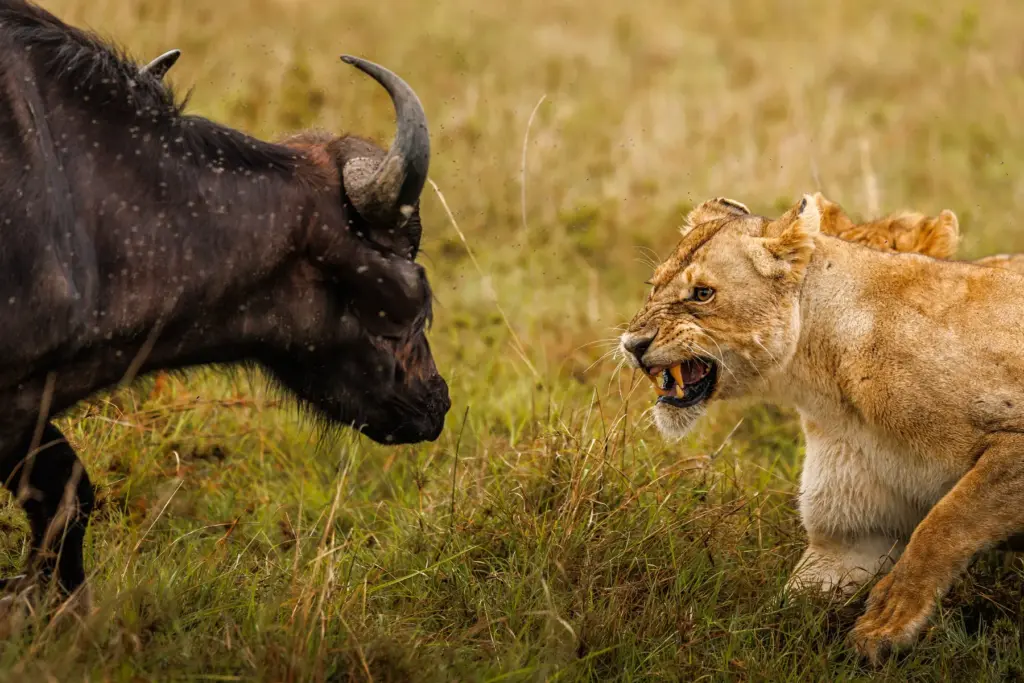
Out here in the wild, the rivalry between the buffalo and the lion is more than a struggle for food—it is an ancient, bitter feud etched into the very soul of the savanna. Both rightfully claim their place among the “Big Five,” a title born of a bygone era. It was never a measure of their size, but of their spirit: they were the most dangerous, unforgiving shadows an explorer could encounter.

Being in the thick of it every day solidifies a harsh, beautiful reality: survival is a privilege, never a right. One moment, you are watching a herd of buffalo grazing peacefully, their dark forms drifting through golden grass like slow-moving ships. The next, a pride of lions materialises like ghosts, woven into the landscape. To hunt a buffalo is to court death; lions risk the animal’s sheer brutality because the payoff is life itself—a single takedown sustaining a pride for days. But a buffalo never surrenders its breath cheaply.

Capturing a hunt from start to finish is a true test of patience. For four long years, I played the waiting game. I documented the failed attempts, the bloody aftermaths, and the silent carcasses that left me peering through my lens, wondering, “What happened here?

My luck finally broke—twice—thanks to the Rongai pride, a formidable collective that has refined the art of the buffalo hunt into a specialised masterclass of strategy. We were out on an early game drive, capturing footage for a documentary, when the radio crackled to life with urgency. The Rongai Pride were around camp, crossing the Talek River in hot pursuit of a herd. We diverted instantly, the air thick with a sudden, electric tension. I turned to our guide, frantic that we would be too late. “A fight like this,” he said calmly, “can take hours to finish.

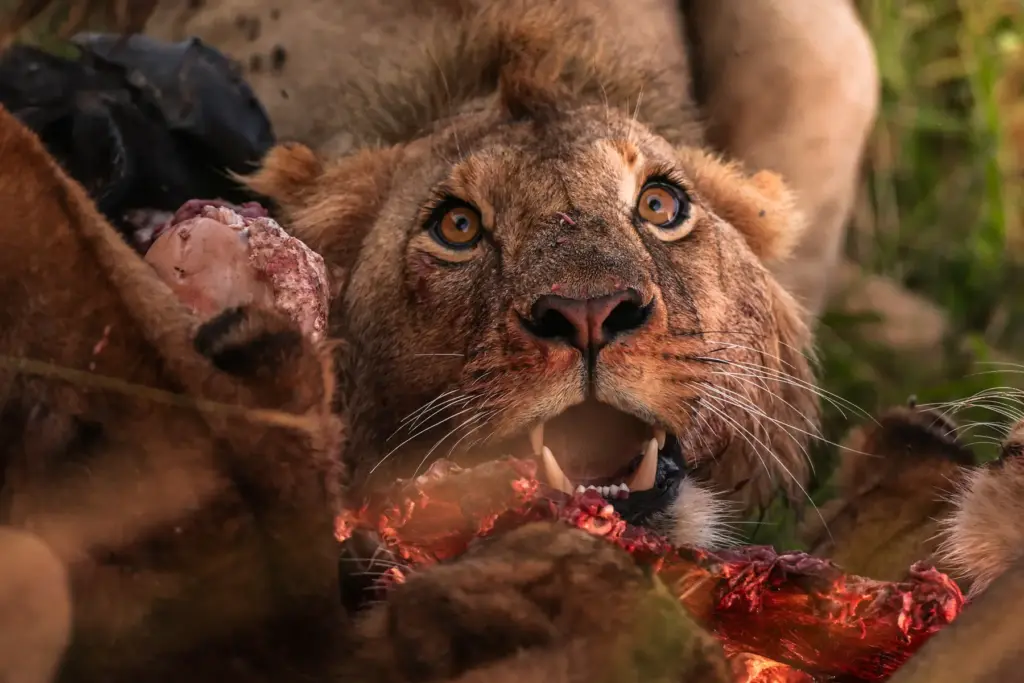
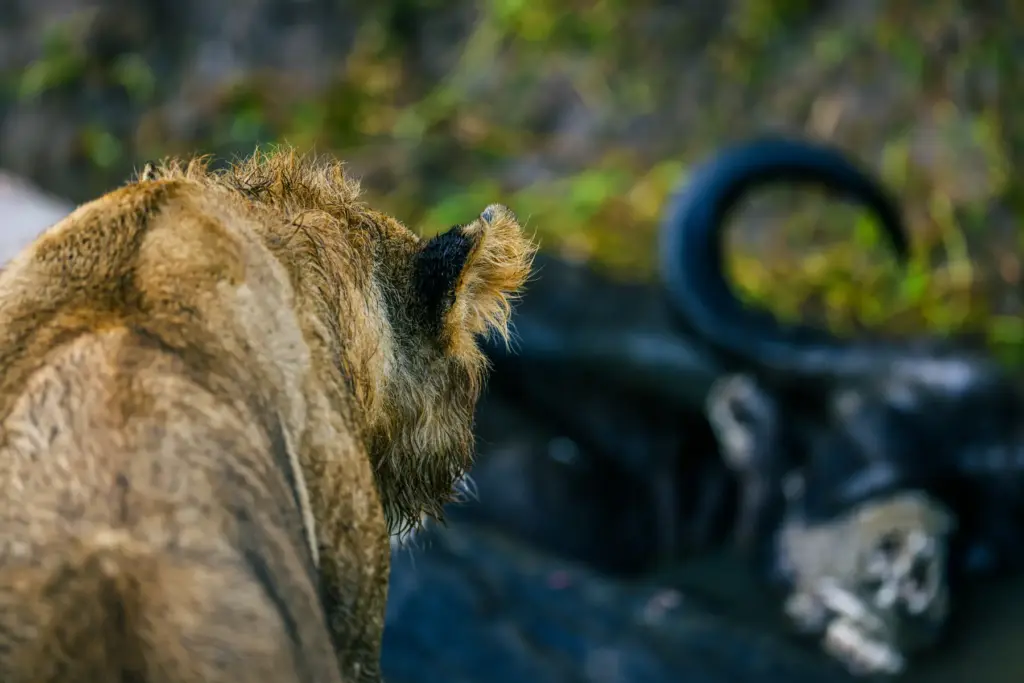
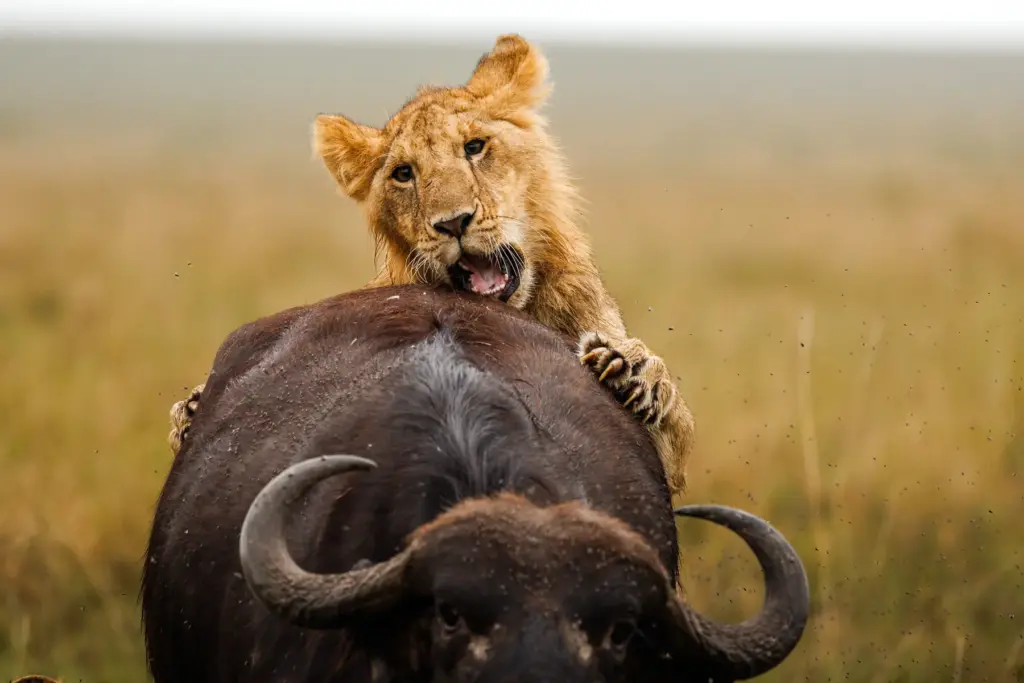
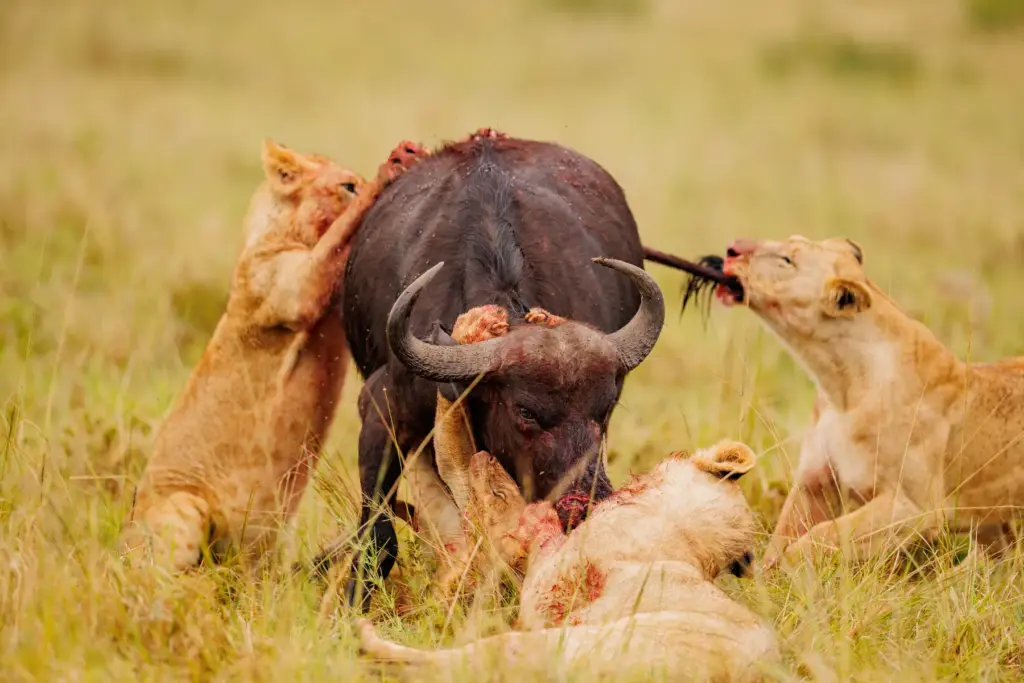
He was right. When we reached them, the buffalo was locked in a desperate, epic struggle. Its raw will to survive was staggering—a mountain of muscle refusing to crumble—but it was slowly, inevitably overpowered by the force of the lions.
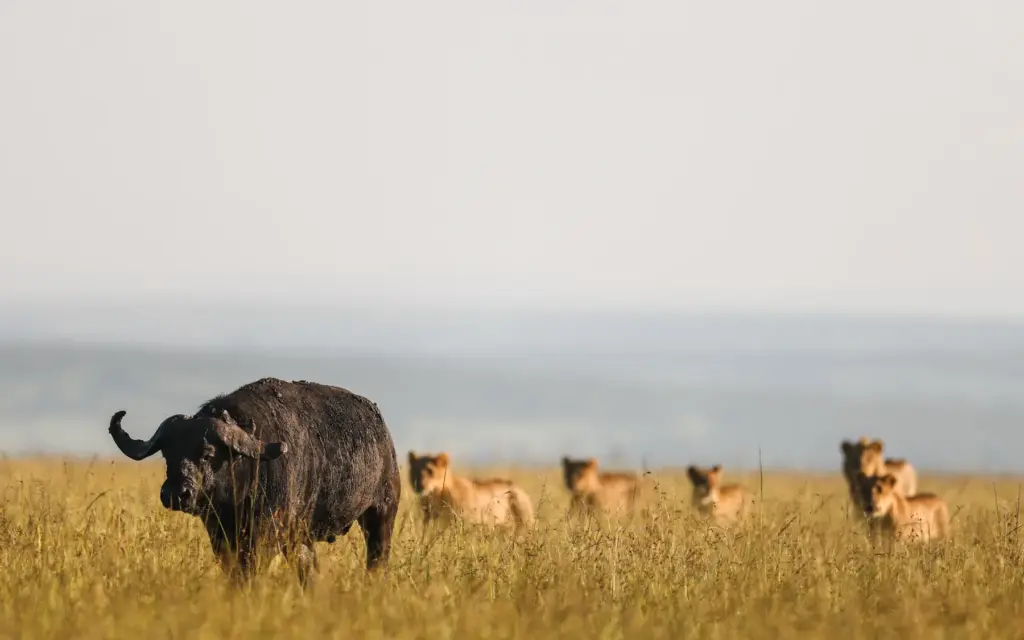
The second encounter was a sequence that unfolded right outside our door. The Rongai pride was at it again, ambushing a herd just past our camp. We jumped in a vehicle and arrived to find the pride executing a tactical masterclass.

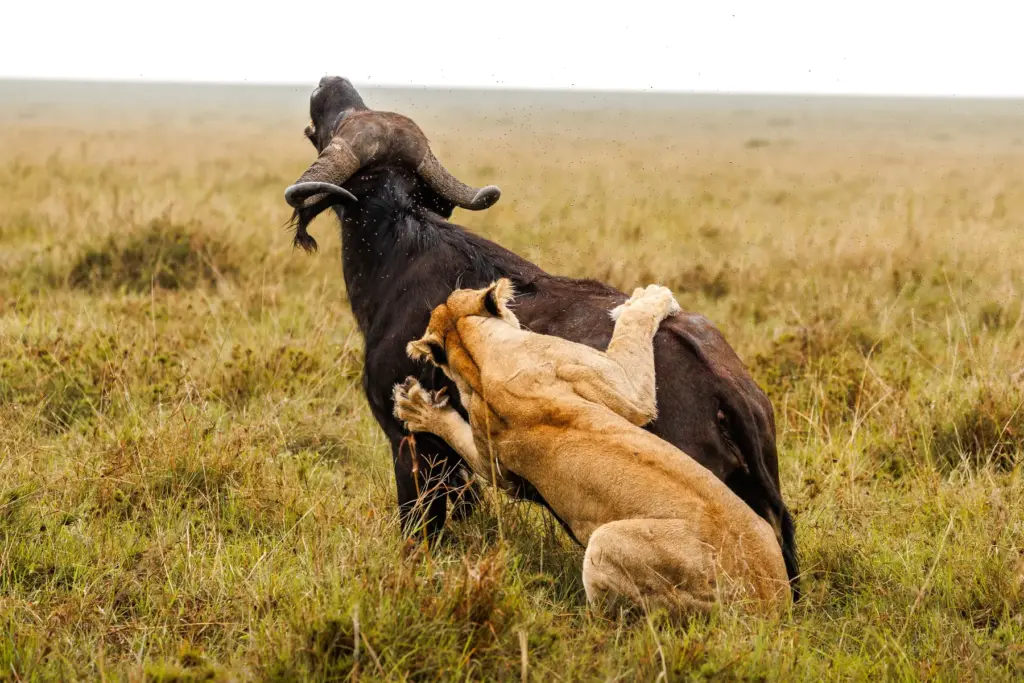
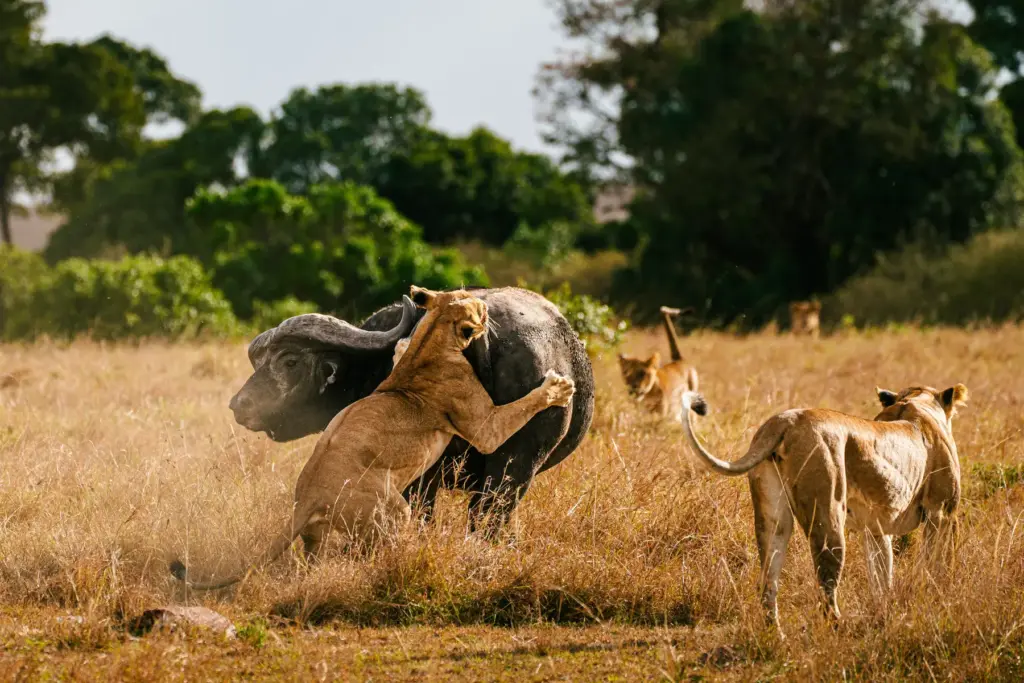
Suddenly, one lioness stood up, intentionally blowing her cover. The buffaloes immediately charged the lone threat, but it was a fatal misdirection. The chaotic chase exposed the weak link—a sickly, limping buffalo left lagging behind.

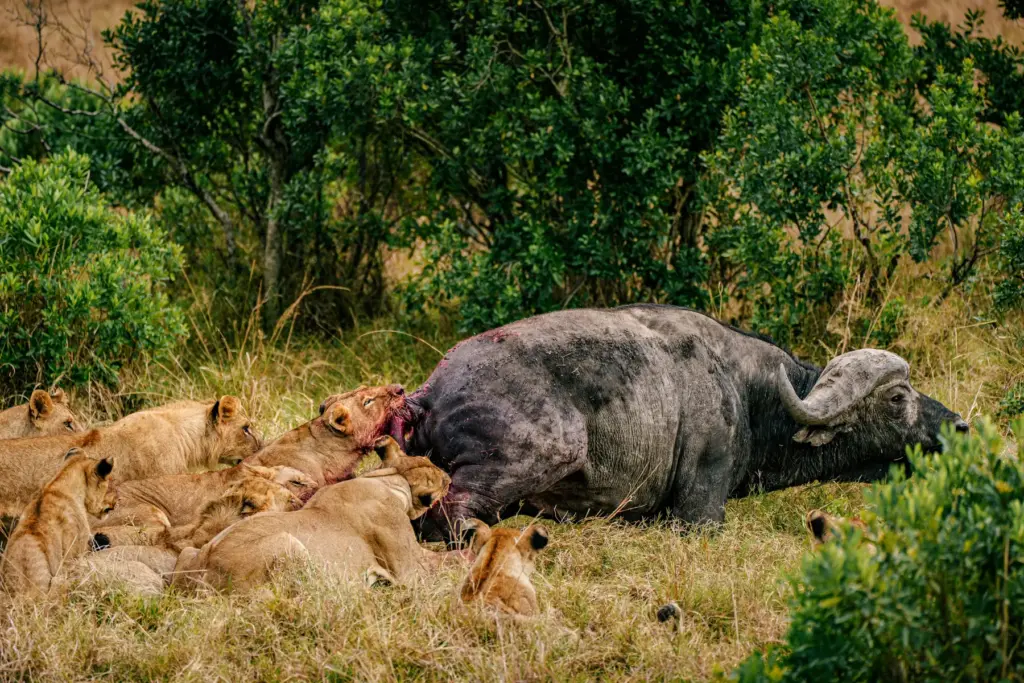
In an instant, the pride closed in. They went straight for the legs, but the buffalo fought them off furiously until a lioness finally vaulted onto its back, her weight bringing the heavy giant crashing to the earth. The herd realised they had left one behind and surged back, successfully chasing the lioness off for a brief moment. But the damage was done. The injured buffalo could not rise, and the pride moved back in to claim the hard-fought survival they had earned.

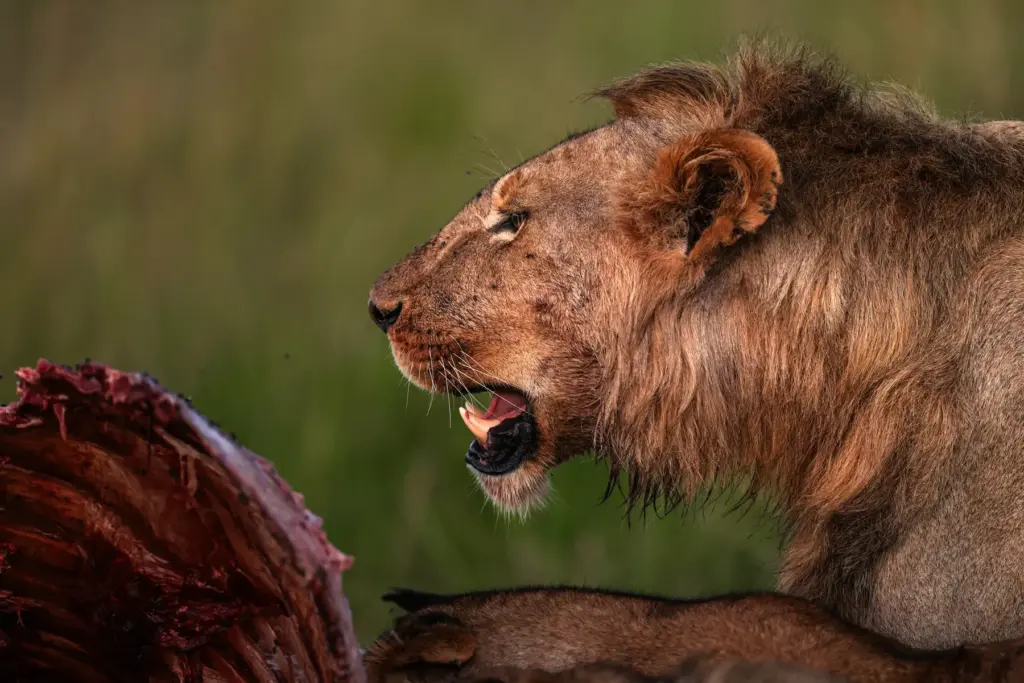
Nowadays, the excitement isn’t quite the same as that first time, but I find my greatest joy in the eyes of our guests. I see the raw emotion as they experience it for the first time—the torn heart that feels both the sorrow for the fallen buffalo and the relief for the hungry lion. In the end, these encounters are a mirror held up to life itself. We witness a fierce inspiration in the buffalo’s refusal to go quietly, and a terrifying beauty in the lion’s persistence.

As the sun sets over the Mara, the savanna returns to a deceptive stillness, reminding us that every ending is a beginning for someone else. Nature does not apologise; it simply endures, teaching us that there is a profound, sacred grace in the struggle to simply exist. We are merely witnesses to an ancient, breathing poem where every heartbeat is hard-earned, and every sunset is a silent tribute to the resilience of life.

Photo credits: Eric Averdung, Joseph Njenga, Japheth Supeyo

Share the story