Beyond Finish Lines: The Kori Sampson Story

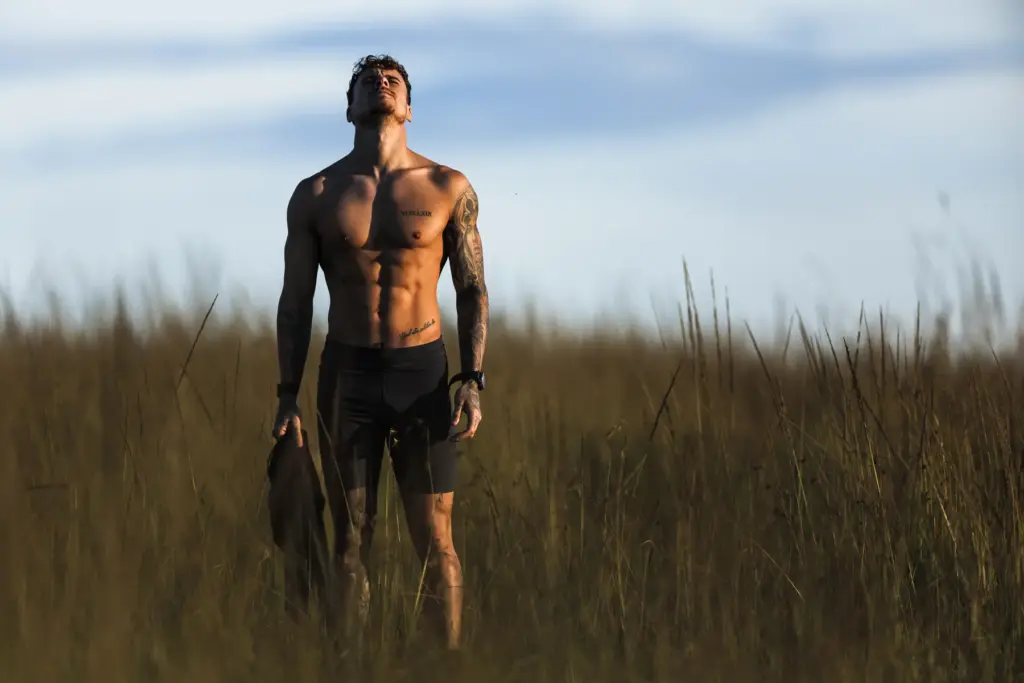
People see Kori Sampson and they see outcomes: kilometres logged, finish lines crossed, the headline version of endurance. What’s easier to miss is what sits underneath it all: the drive, the discipline, and the quieter softness that doesn’t make the highlights reel, but shapes everything.

Kori’s ambition is real. He trains with intention. He repeats the unglamorous work until it becomes instinct: early starts, tight routines, small choices that stack up. That level of discipline can look almost effortless from the outside, but it isn’t. It’s earned, day after day, through consistency and self-honesty. It’s the kind that asks, “Can I show up today?” even when motivation is nowhere to be found.

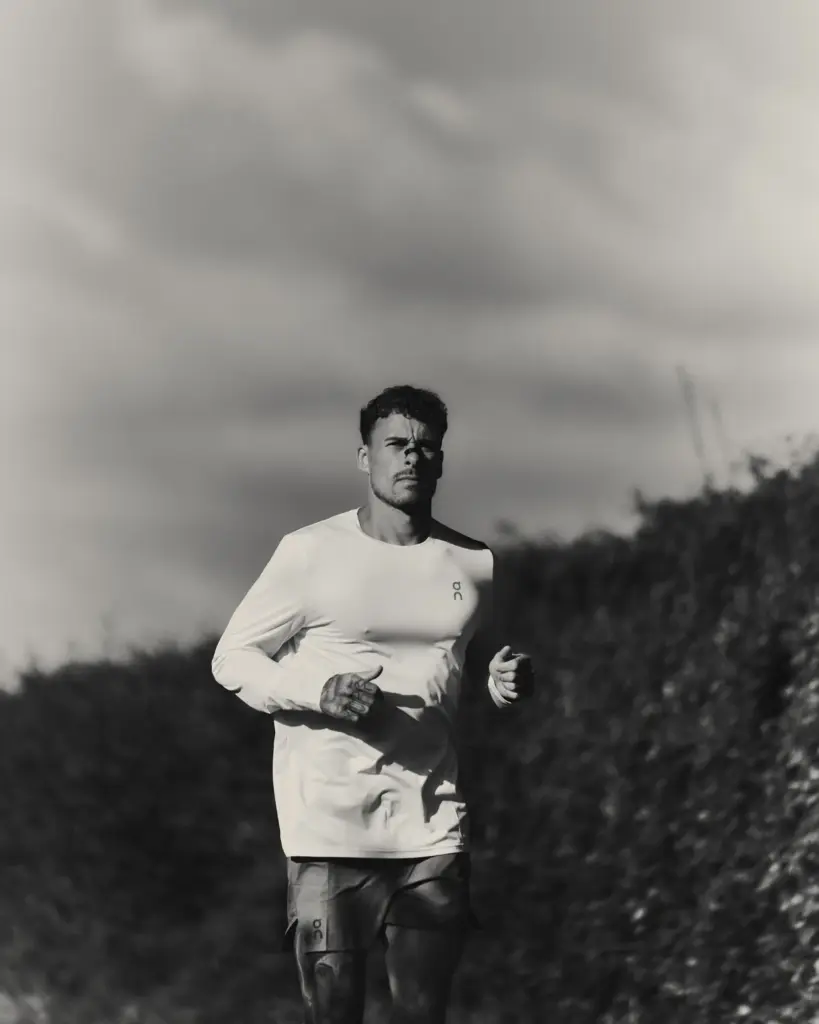
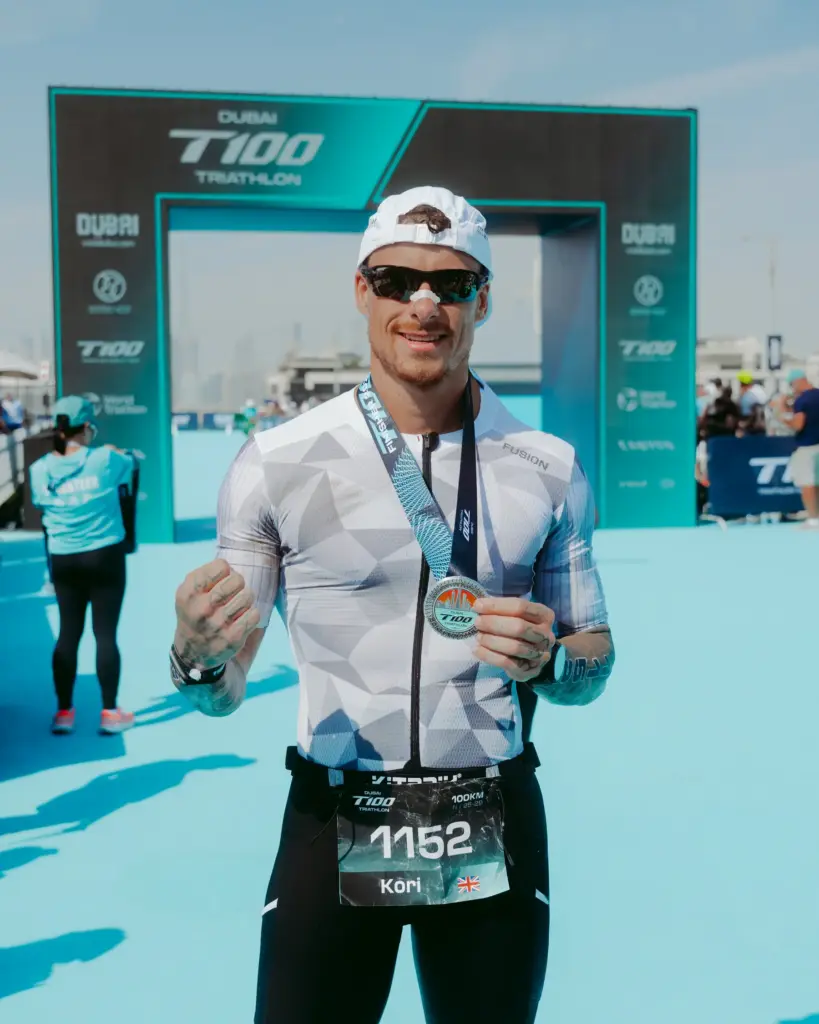
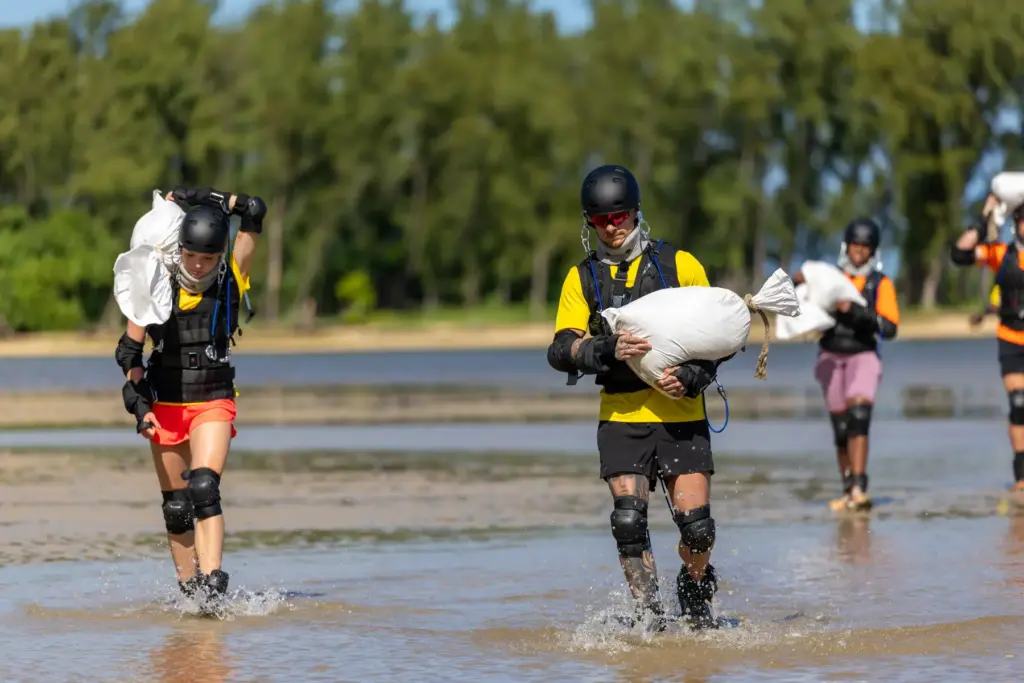
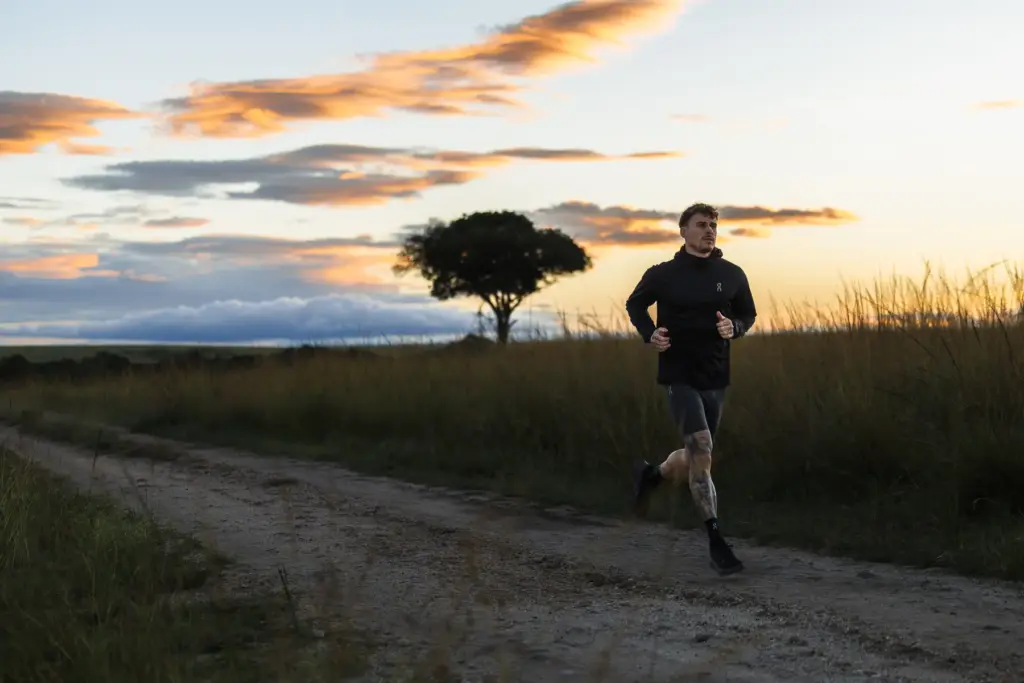
Over the past year, that discipline has carried him through a run that most people would struggle to imagine, let alone complete. He ran 800km across the UK in 10 days to drive awareness for men’s health. It wasn’t just a physical feat; it was an invitation into a bigger conversation about wellbeing, vulnerability, and the importance of speaking up. He followed it with his first 100km triathlon in Dubai, a bold step into the unknown and another proof point that growth lives beyond comfort. Then came Trainer Games, the hit international TV reality competition, where he went up against elite athletes from around the world and won. Three very different arenas. The same truth underneath: discipline, focus, and a willingness to be uncomfortable on purpose.

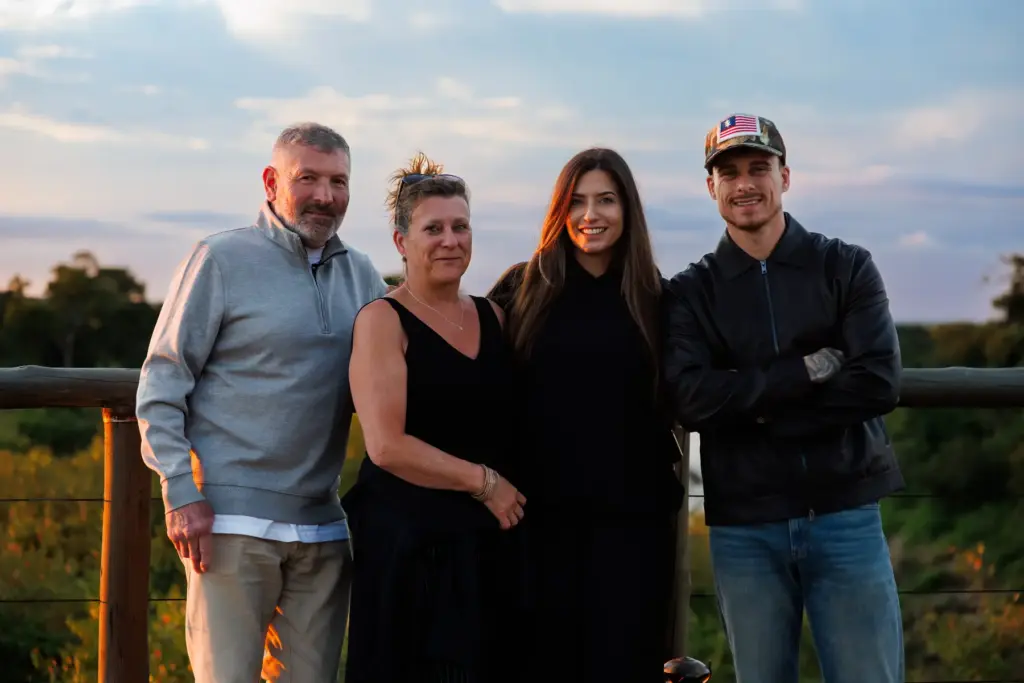
But if you spend time with Kori, really spend time, you start to see what many people don’t. The softness. The care. The rare ability to hold intensity and kindness in the same hand. He can push hard and still be tender. He can compete and still make it feel like everyone belongs. That’s why he inspires millions. Not just because he’s strong, but because he’s human. He gives people permission to try, and permission to be where they are. At Ishara, he’s family, and every return brings that renewed sense of togetherness: big laughs, a few tears, and a warmth that runs deeper than words.

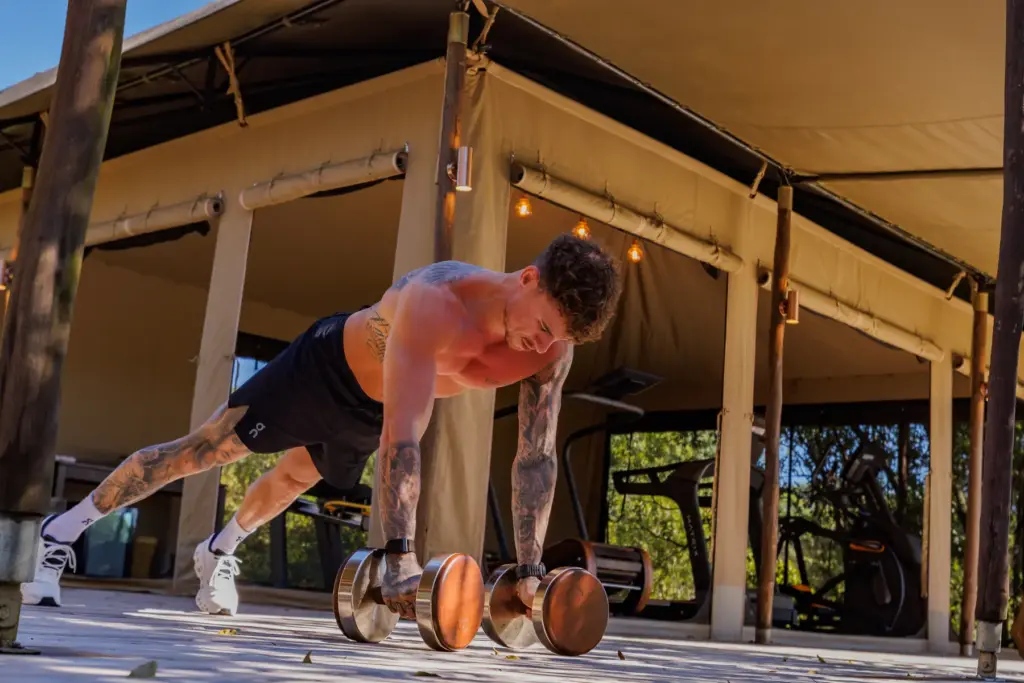
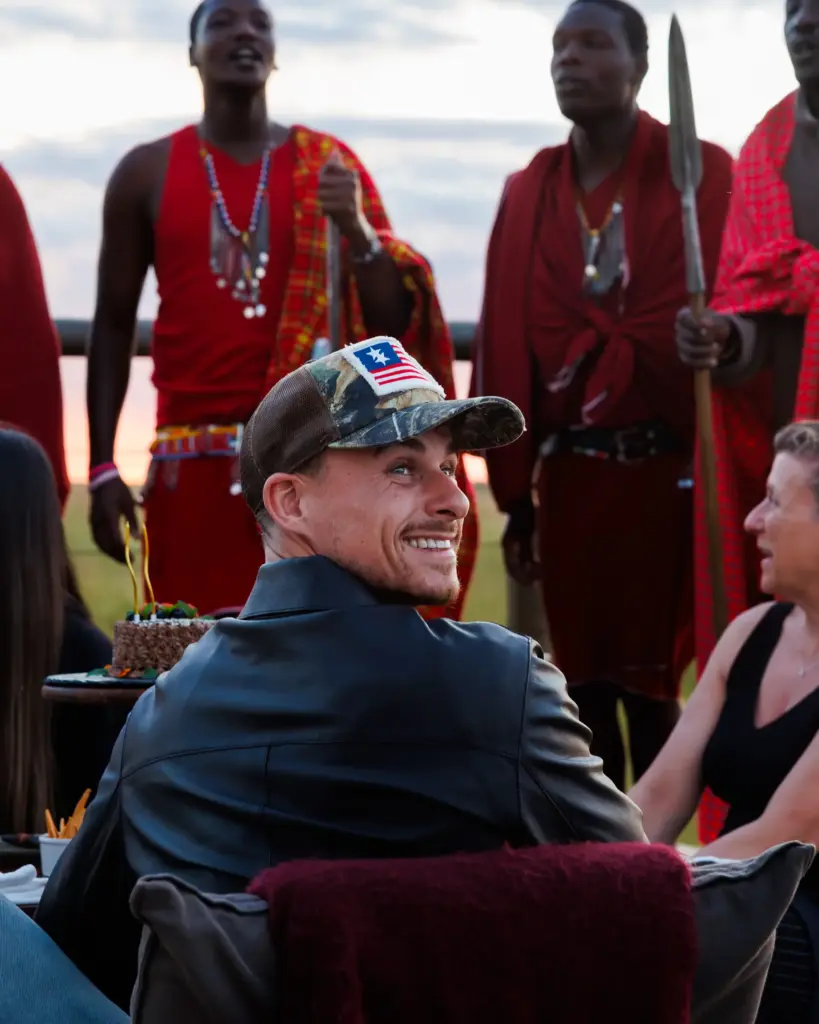
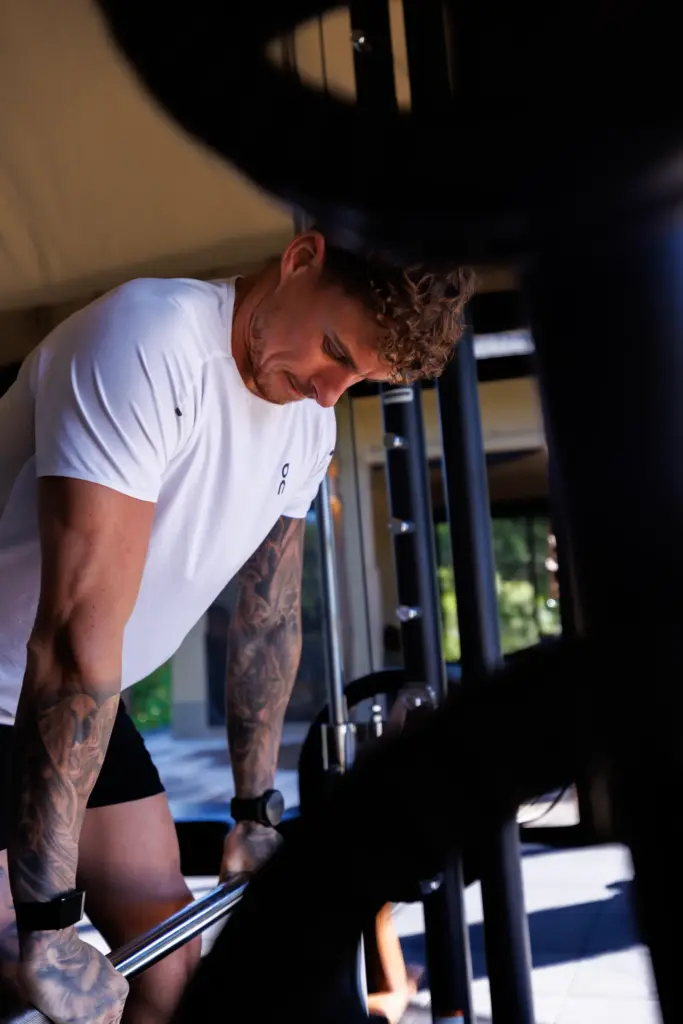
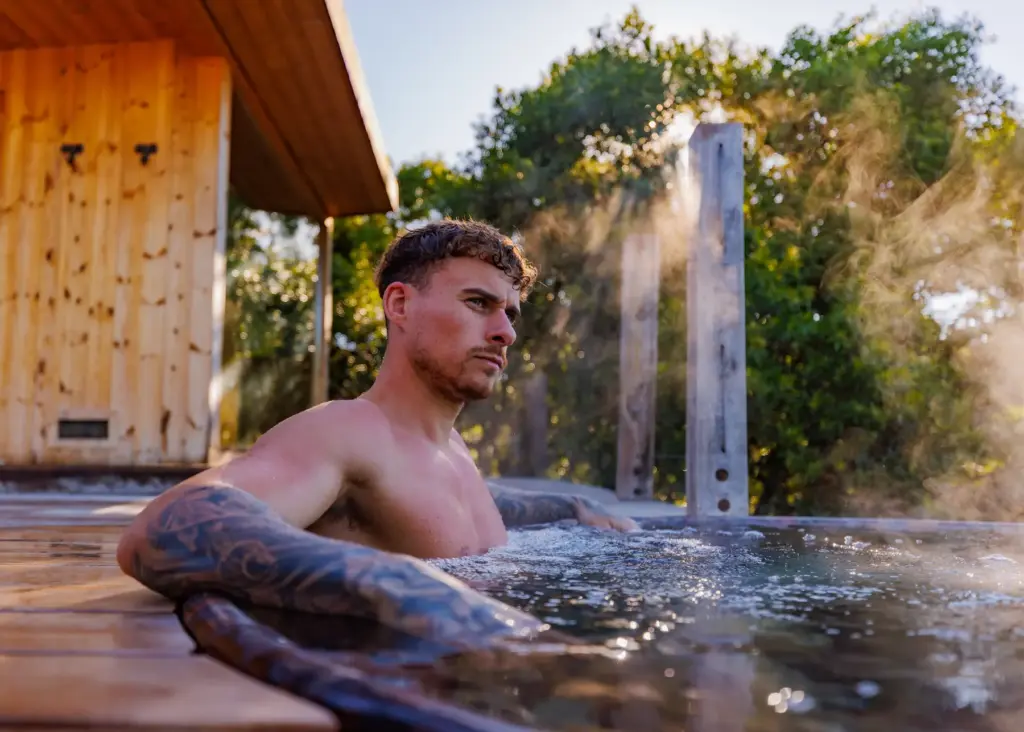
When Kori came back with his family, the camp slipped into a familiar rhythm that only happens when someone truly belongs. Days found their flow: focused sessions in the gym, recovery in the Nordic spa, and exhilarating moments where the Mara does what it does best. We celebrated a milestone birthday, and made the sort of memories we’ll talk about for years.

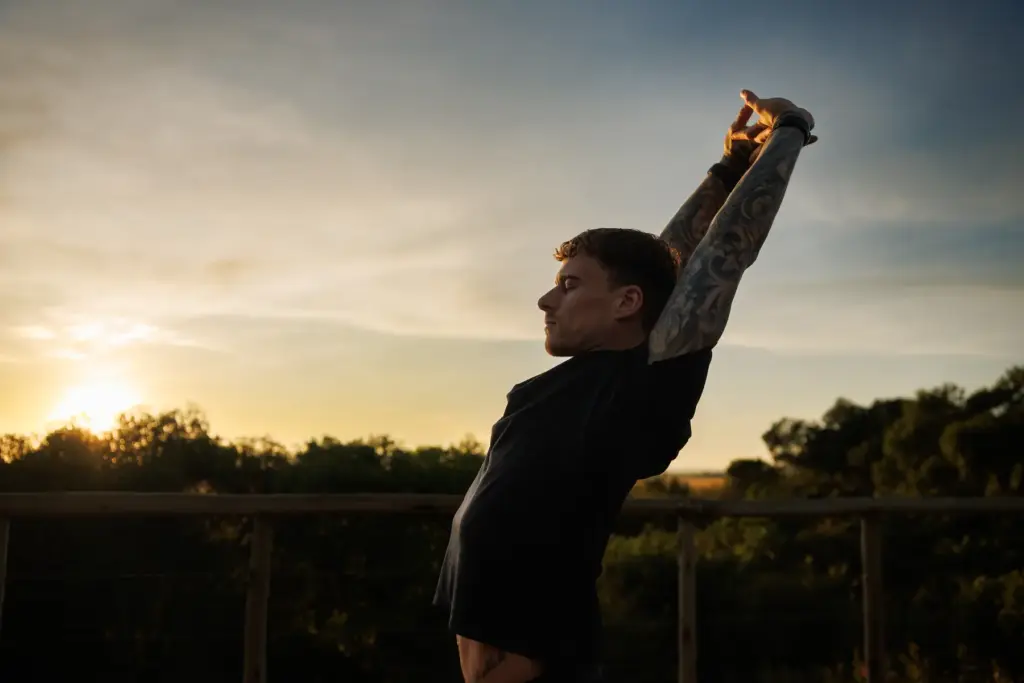
He spent a night on the Starbed, waking to rolling mist across the plains and a sunrise that lit the horizon in layers of gold. There was time by the pool too, and time spent filming, capturing the energy, the conversations, and the stillness in between. And then, of course, the backgammon standoffs and chess matches, with Kori in full competitive mode: focused, cheeky, and absolutely not interested in letting anyone win.
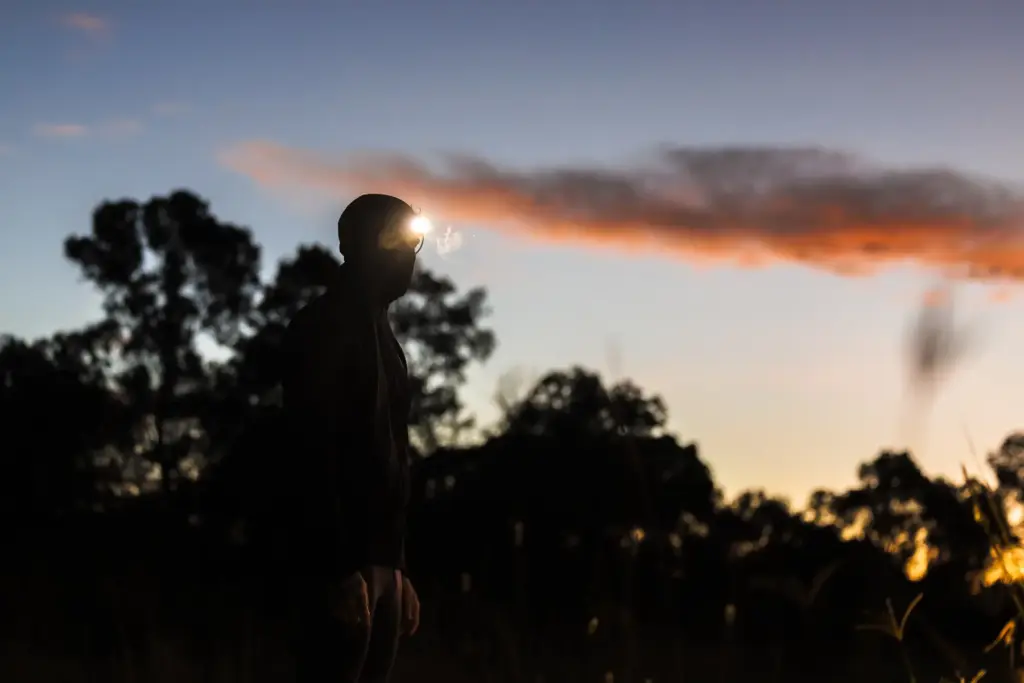
Wellness at Ishara isn’t about perfection; it’s about balance. Effort and ease. Movement and recovery. Adventure and stillness. It’s a camp where you can train with intent, then reset fully in heat, cold, silence, and space. It’s also a place where the environment does half the work for you: clean air, big skies, and the immediacy of the wild. You don’t have to search for presence here; it finds you.

One of the most enduring pieces of Kori’s legacy at Ishara began on his first visit: The Kori Run. A striking track around the waterhole, it is now run by guests, visiting athletes, and friends. It has become a shared ritual, not about pace, but about showing up. Putting one foot down, then the next. Letting the mind settle. Remembering that strength can be quiet.

Kori’s story is, in many ways, a study in resilience, but not the hardened kind. It’s resilience with heart. Discipline with tenderness. Drive paired with genuine care for the people around him. We’re grateful to call Kori family. And we’re looking forward to sharing more of his hard-won wisdom, the lessons behind the training, the miles, and the moments when no one is watching.

Photo credits: Japheth Supeyo, Eric Averdung, Ian Wesanza, Joseph Njenga, Kori Sampson

Share the story