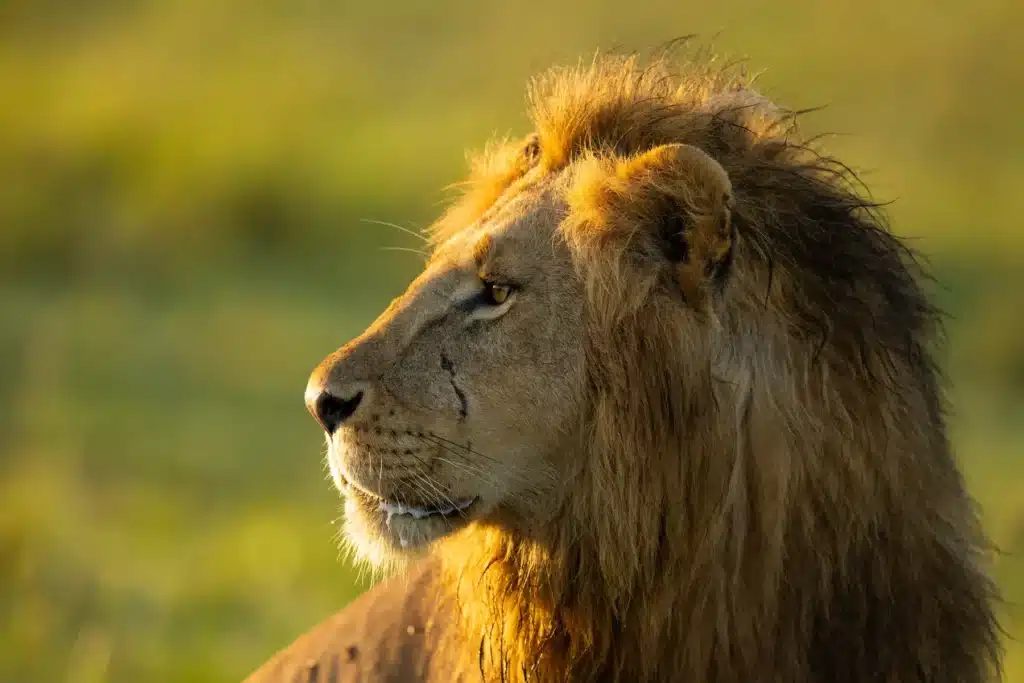
Before joining Ishara, I had visited Nairobi National Park twice. The first time was with friends, driven purely by my love for nature and wildlife. The second time was during the African Nations Championship (CHAN) football tournament on an evening drive as one of their accredited photographers. I didn’t get to see most of the animals I had hoped to see either time: lions, leopards, cheetahs, or elephants.
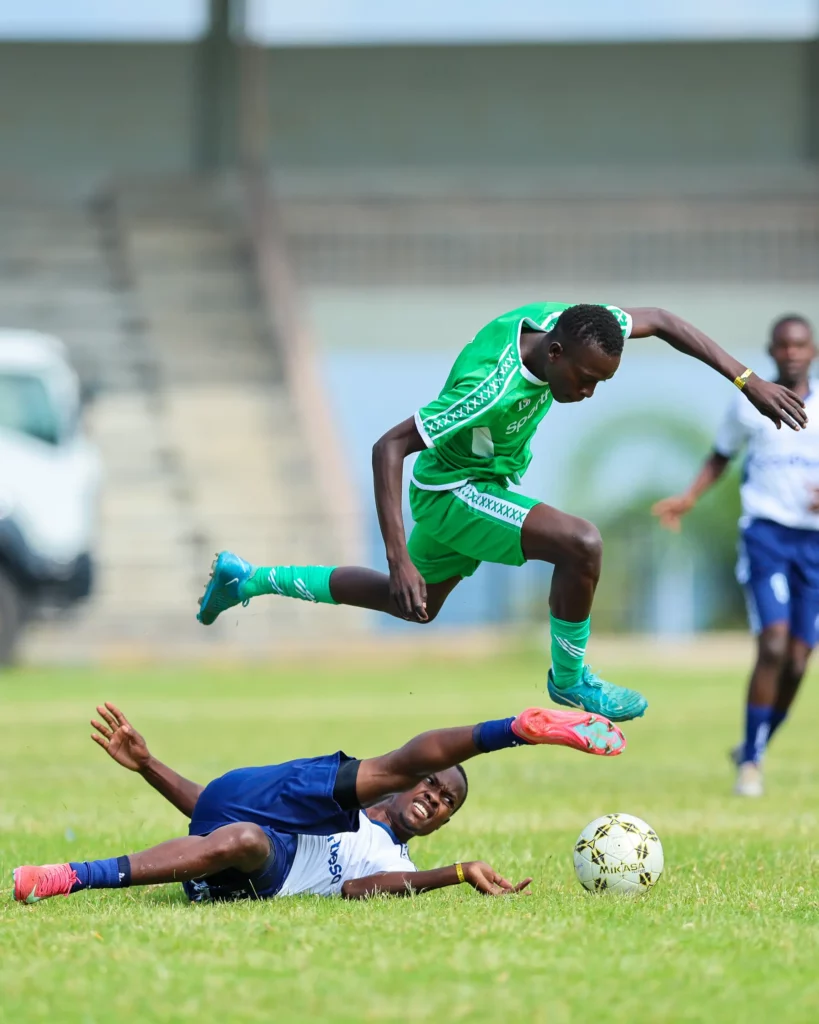
I started my career as a freelance photographer, covering events, corporate functions, and specifically, sports. My work in sports photography was what first brought me into the professional photography world, teaching me about timing, anticipation, and how to tell stories through images.
At that point, I still wasn’t a wildlife photographer. What I knew about wildlife photography mostly came from social media—specifically, from wildlife photographers that inspired me, some of whom I knew personally and others whom I only knew through their work.
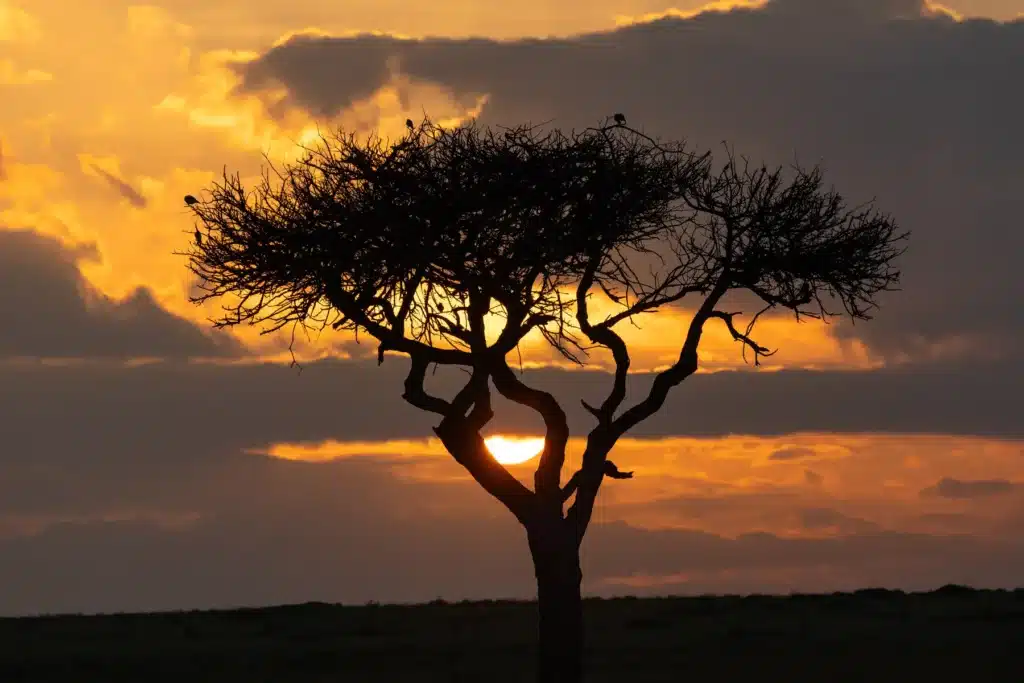
I woke up for my first game drive as an Ishara photographer a few weeks ago. The morning air was cool, and riding in the land cruiser before sunrise felt magical. The landscape slowly awakened around us. I was filled with excitement and curiosity, ready to see the wildlife I had admired for years, both on TV and on social media, now coming to life before my eyes.
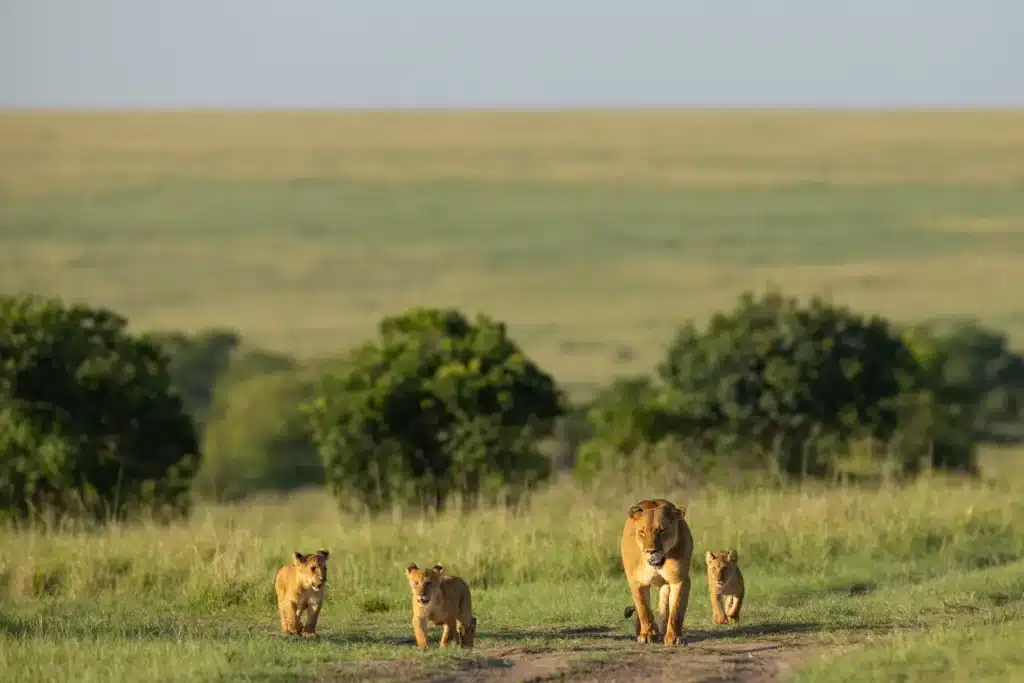
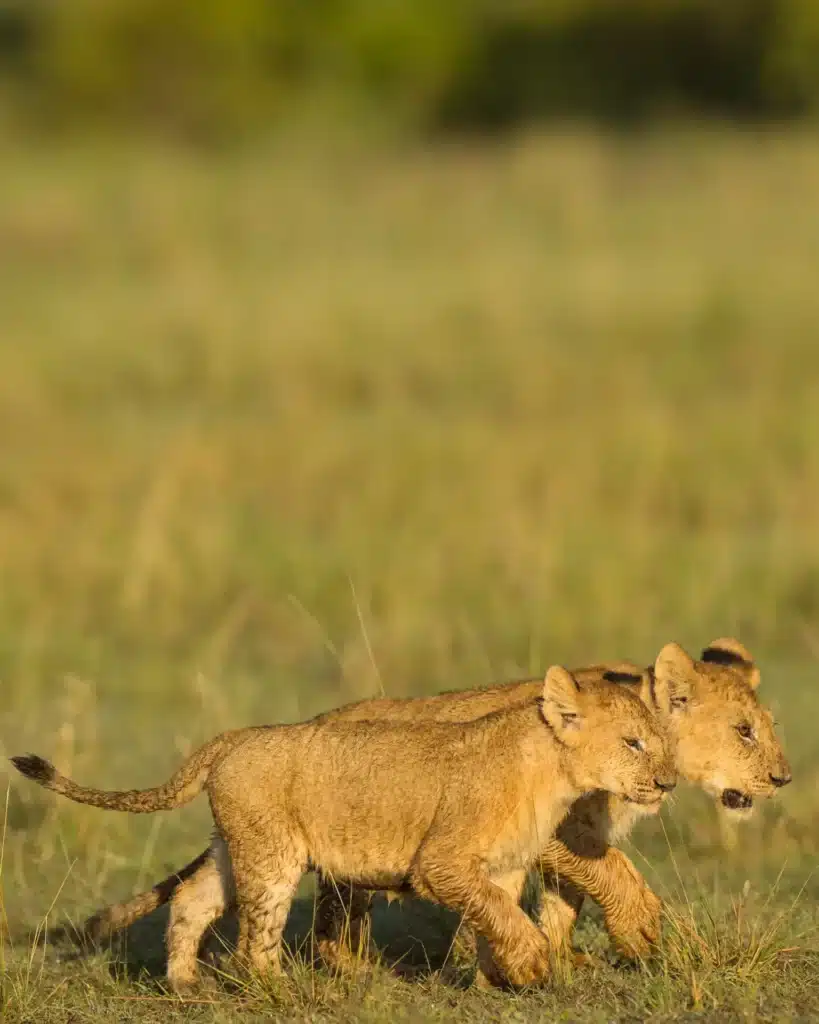
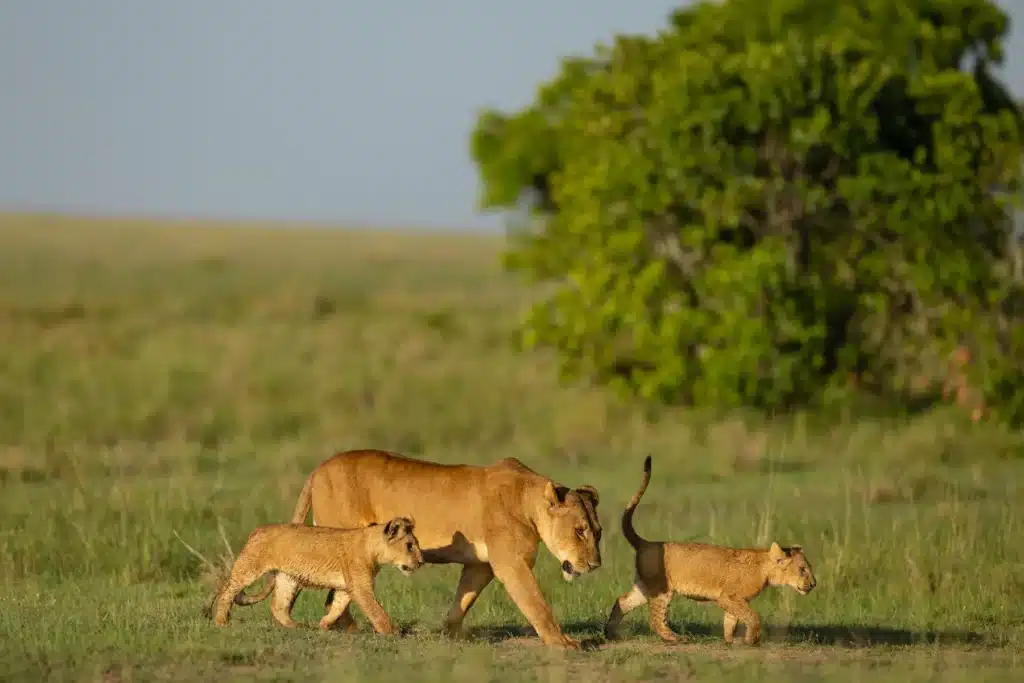
As the sun began to peek over the horizon, two lionesses emerged with their three playful cubs. At first, the scene looked serene, with the cubs tumbling over one another, their tiny roars floating through the stillness. It was a heartwarming sight, and I couldn’t help but smile. We followed them as they walked peacefully through the savanna.
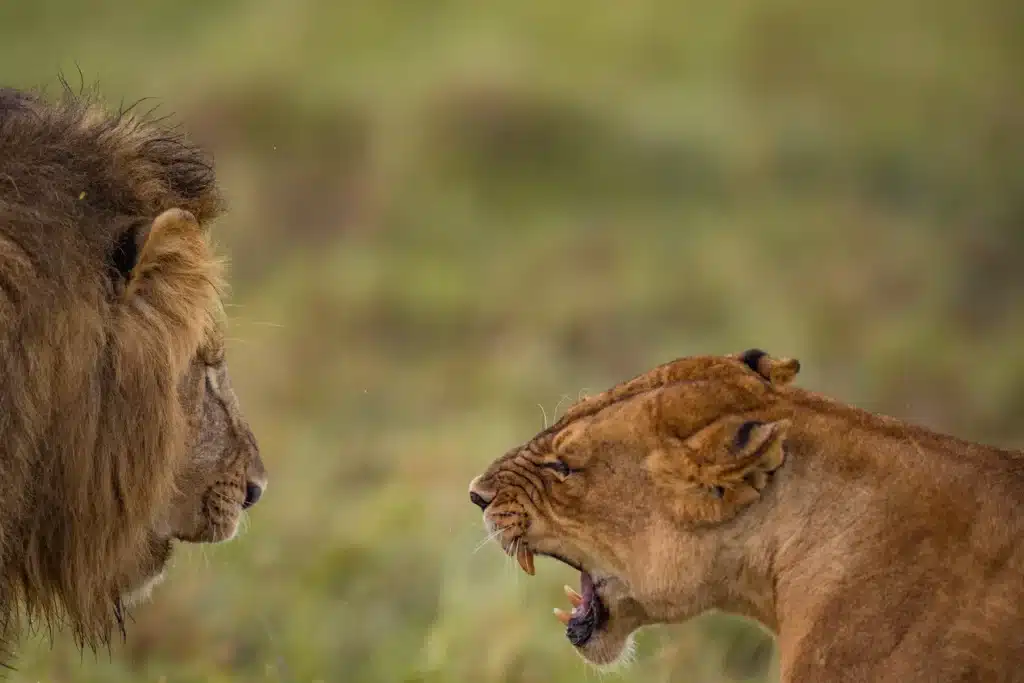
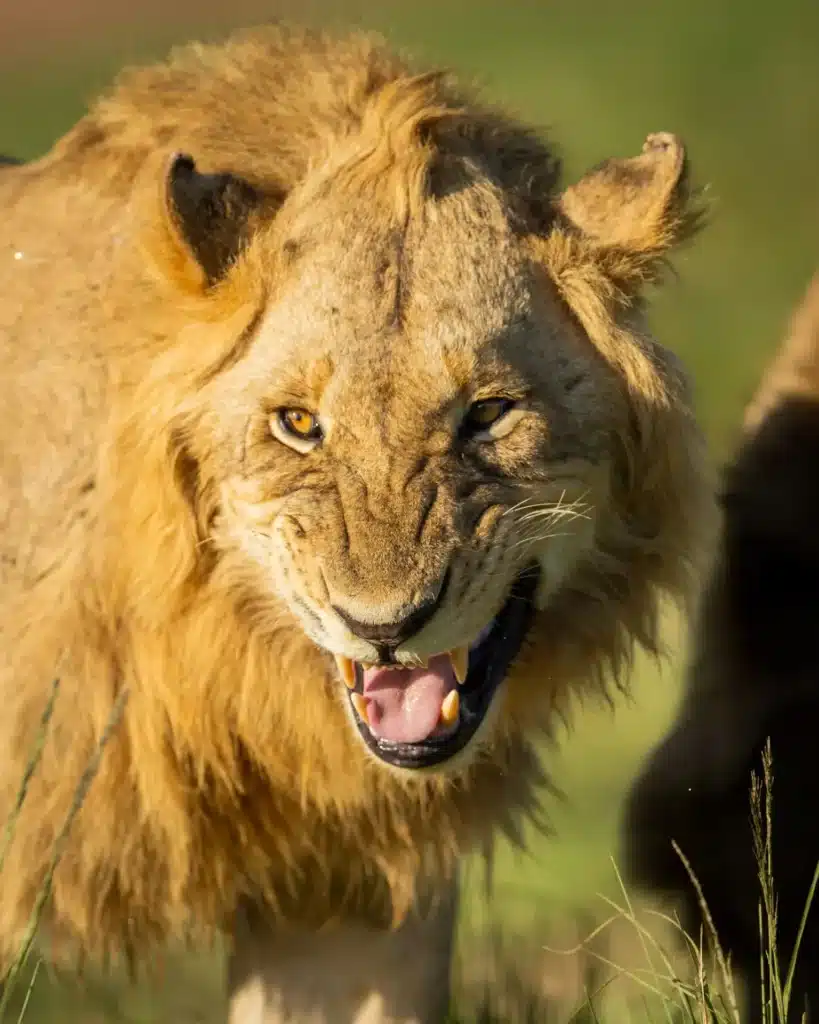
The calm didn’t last. Suddenly, five male lions appeared, approaching with terrifyingly clear intentions. The cubs were in danger.
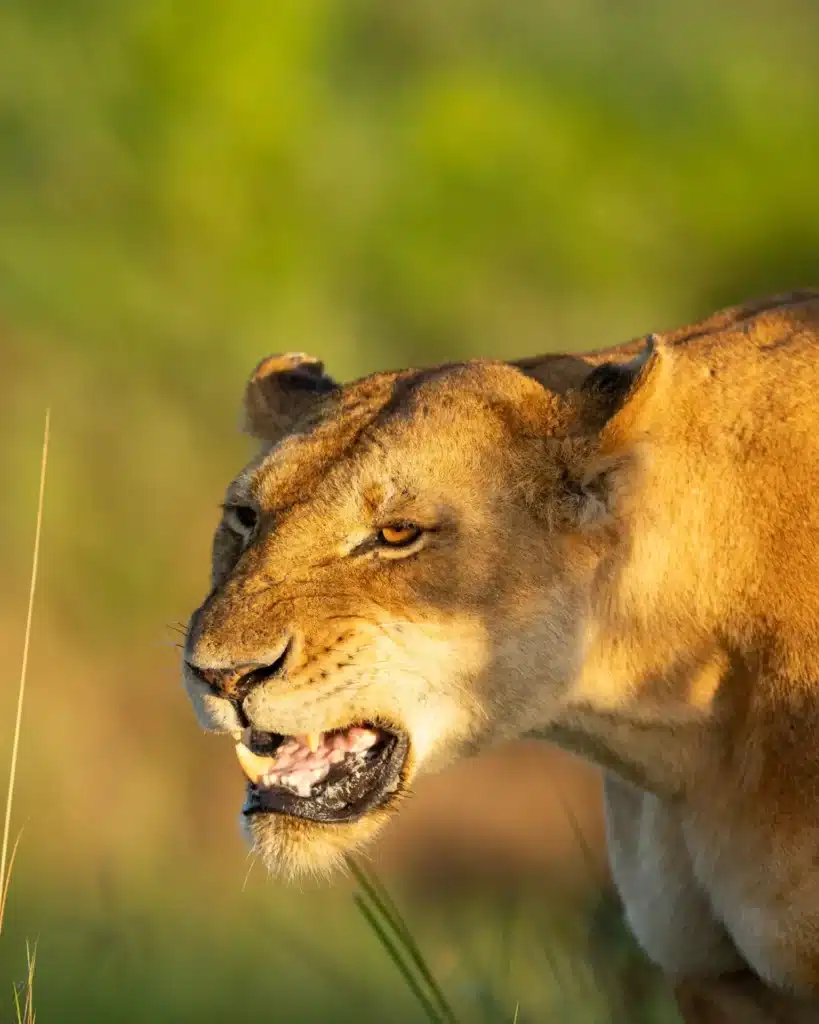
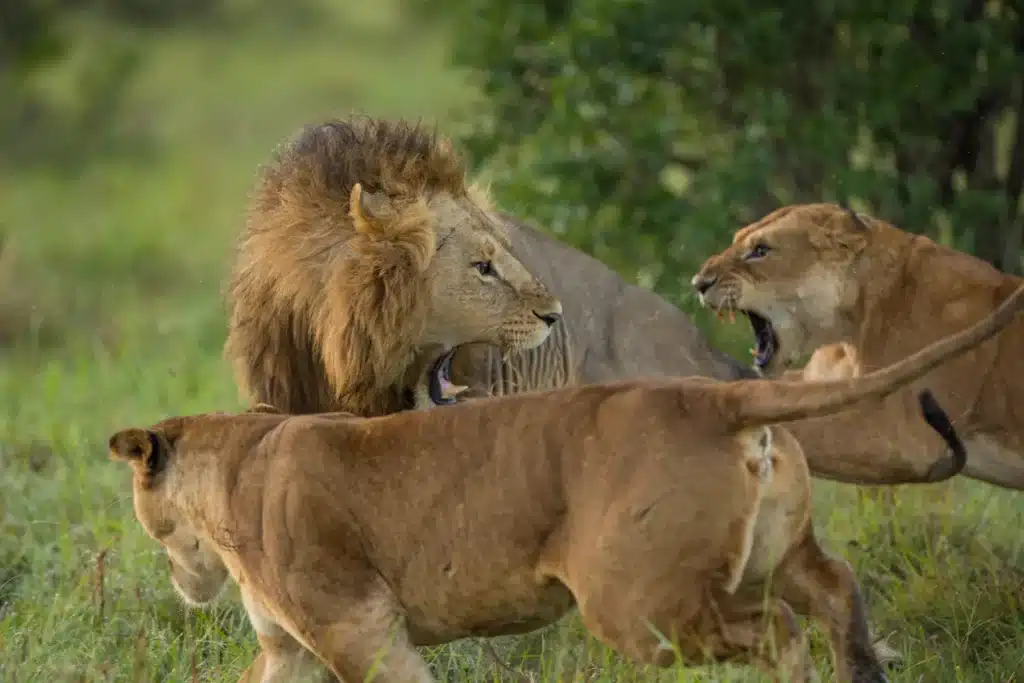
What followed was real, raw, and intense. The lionesses stood their ground with courage, growling, lunging, and positioning themselves to protect their young. Watching a lion fight up close was unlike anything I had ever experienced; the roars were deafening and terrifying, making the moment even more intense.
Against all odds, the lionesses managed to chase the lions away, saving their cubs from harm. Witnessing that moment in the wild, so unfiltered, so raw, was unlike anything I had ever imagined. It wasn’t just wildlife photography; it was a lesson in courage, resilience, and a mother’s natural instinct to protect her young.
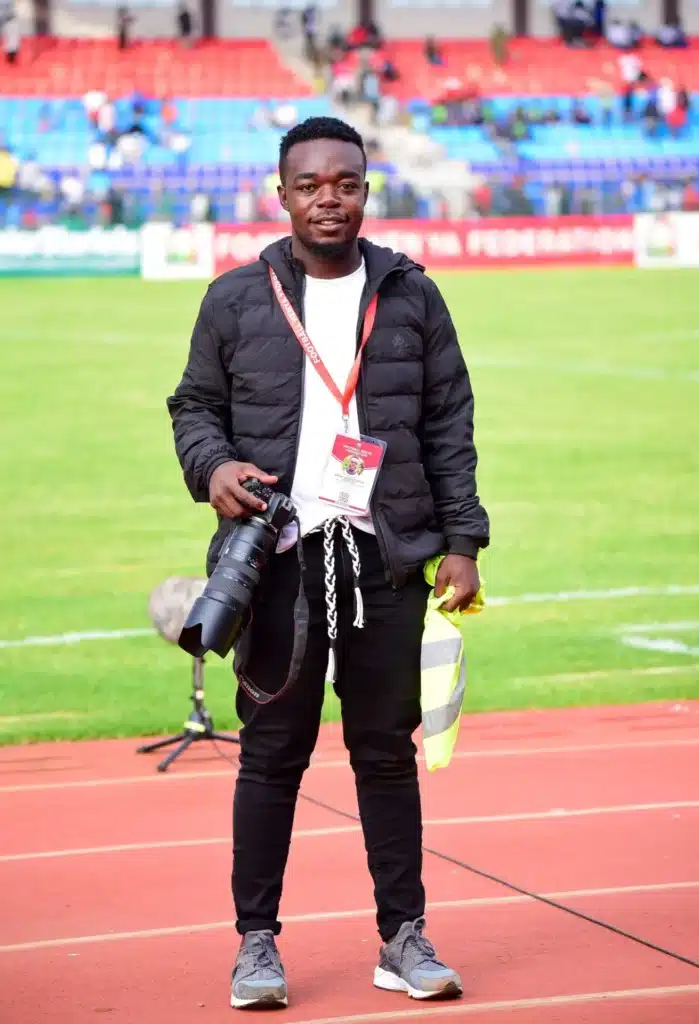
That morning in the Maasai Mara not only gave me incredible images, it also reminded me why I love wildlife, why I became a photographer, and why being present for moments like this is worth every second.
I have yet to learn the names and histories of these lions, but that didn’t lessen the experience. The moment felt like absolute cinema. I witnessed two lionesses fiercely defending their cubs against five male lions. It was loud, tense, and emotional. The lionesses were outnumbered, yet their courage was unyielding. This was a real fight for survival unfolding in front of us.
Seeing that kind of drama on my very first game drive at Ishara was humbling. It made me realise how different real wildlife encounters are from what we often see online. The dust, the growls, the silence between moments; none of it can be fully captured on a screen.
As someone who is still learning wildlife photography, I wasn’t just focused on getting the shot. I was learning how to observe, how to wait, and how to respect the animals and their space. This experience reminded me why I love nature and wildlife in the first place. That first game drive marked the beginning of my journey as a wildlife photographer at Ishara, and if this was my introduction, I know the wild has many more lessons ahead.
Photo credits: Ian Wezanza